Song Meaning
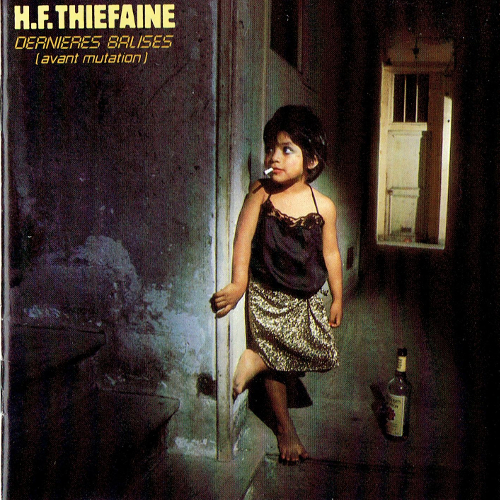
Hubert-Félix Thiéfaine's "Photographie-tendresse" isn't a song so much as a fractured snapshot, a Polaroid bleached by time and trauma. The lyrics, a series of stark, disconnected images, evoke a sense of disassociation and decay. We're presented with fragmented memories: 'Cheveux - tilleuls - écartelés' (Hair - lime trees - torn apart), suggesting a violent disruption of something natural and peaceful. The 'visage - taxiphone - de - l'attente' (face - payphone - of - waiting) paints a picture of desperate connection, a yearning that's perpetually unanswered.
The emotional landscape is bleak. 'Souvenir - coma - trauma' encapsulates the core of the song's meaning. It's not just remembrance, but a descent into a psychological abyss. The 'vieillard - géranium - camé' (old man - geranium - junkie) is a particularly unsettling image, juxtaposing the fragility of old age with the destructive nature of addiction, all framed by the banality of a geranium. This feeling of tainted tenderness continues in 'Baisers - Tranxène - coagulés' (Kisses - Tranxene - coagulated), where affection is medicated, rendered cold and lifeless.
The interjection of German phrases—'Wo ist das Blut? Ich habe du hast' (Where is the blood? I have you have)—adds another layer of disorientation. It could be interpreted as a reference to post-war trauma, a search for culpability, or simply a further fragmentation of the self. Ultimately, “Photographie-tendresse” isn't about a clear narrative, but rather a feeling—a lingering sense of unease, loss, and the fragility of memory. It's Thiéfaine at his most challenging and evocative, forcing us to confront the darker corners of the human psyche.
 View Artist