Song Meaning
Hubert-Félix Thiéfaine's "Libido Moriendi" isn't a simple goodbye; it's a darkly romantic vigil on the platform of existence. The repeated line, "On pleure pas parce qu'un train s'en va," immediately establishes a defiant stance against ordinary loss. This isn't about a missed connection; it's about a profound, existential waiting. The passengers aren't mourning departure; they're fixed in anticipation of something far more significant, perhaps even terminal. Thiéfaine positions us in a space saturated with both eroticism and decay, where "sexe transi" mingles with the "rose de nos ecchymoses." This juxtaposition suggests a life lived intensely, marked by both pleasure and pain, and a recognition of their inherent interconnectedness.
The lyrics paint a vivid tableau of anticipation under a "ciel de suie," a sky heavy with the residue of past experiences and future uncertainties. The figures await transformation by the gods, a metamorphosis that seems both desired and dreaded. The "milliers de bouts d'icônes / Dans nos boîtes crâniennes en délire" evoke a fragmented sense of self, a psyche pieced together from shattered ideals and broken beliefs. This internal chaos fuels the waiting, the desperate hope for resolution or, perhaps, annihilation. The anticipation isn't passive; it's charged with a primal energy, a "libido" directed not towards life, but towards death itself.
Thiéfaine introduces figures of judgment and finality: an "ange inquisiteur" and an "ultime prédatrice." The angel arrives in the "calme froid de l'aurore," a moment of stark clarity where even the "chiens vitreux de la peur" can smell the "odeur sucrée de la mort." This isn't a terrifying specter but something alluring, almost comforting. The final image of the "vamp-araignée" with her "lady-smith" offers a potent blend of danger and desire. The "dernier baiser" is not one of affection, but a kiss of death, a consummation of the "libido moriendi." Thiéfaine suggests that the ultimate pleasure lies in the surrender to the inevitable, a darkly beautiful acceptance of mortality.
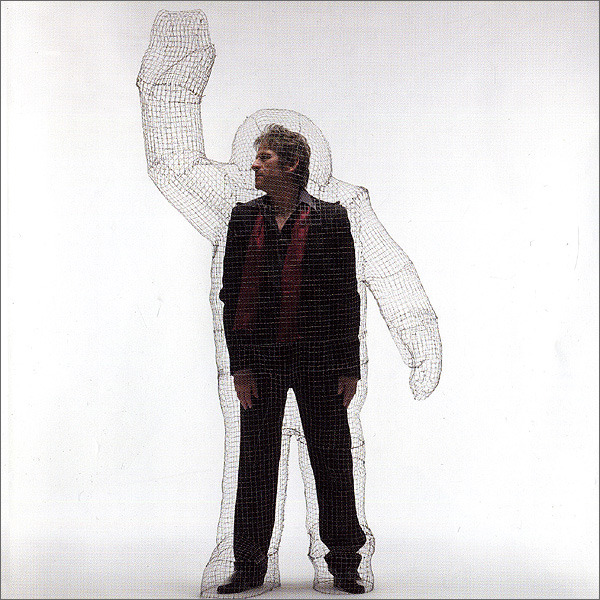
 View Artist