Song Meaning
Hubert-Félix Thiéfaine's "Les mouches bleues" isn't a casual listen; it's a plunge into the psyche of a man wrestling with disillusionment, addiction, and a creeping sense of decay. The opening lines, a stark image of an 'ours en cage' (caged bear) turning on its handler, immediately establish a mood of rebellion and pent-up aggression. This isn't just about societal frustration; it's a self-destructive impulse, a primal urge breaking free. The mention of 'vapeurs d'oxyde et de luxure' (oxide fumes and lust) hints at a toxic environment, both internal and external, fueling this breakdown. The 'visite au musée' (visit to the museum) and 'singes acrobates' (acrobatic monkeys) suggest a cynical view of humanity, a feeling of being observed and judged while performing for an audience that offers no genuine connection.
The core of the song meaning lies in the recurring motif of 'les mouches bleues' (blue flies) and 'les hyènes' (hyenas). Flies, traditionally symbols of decay and corruption, represent the encroaching darkness, the inescapable reality of mortality and moral compromise. The hyenas, 'toujours les hyènes / Sur la même chaîne' (always the hyenas / On the same chain), evoke a sense of relentless scavengers, feeding on the narrator's vulnerabilities and perpetuating a cycle of despair. The lines describing the blurring of words and the 'chromosomes noircis au chirouble' (chromosomes blackened with Chiroubles wine) paint a vivid picture of mental and physical deterioration, accelerated by substance abuse. The dark humor in wanting to die 'étrangulé / Sous tes nylons et tes dentelles' (strangled / Under your nylons and lace) highlights a desperate yearning for escape, even if it's through a twisted form of intimacy.
Thiéfaine's lyrics analysis reveals a lament for lost potential. The verses expressing fading dreams and forgotten knowledge ('Je commence même à oublier / Les choses que je n'ai jamais sues' - I even start to forget / The things I never knew) underscore a profound sense of regret. The rhetorical questions – 'Peut-être eussé-je dû frapper plus / Et me lever tôt le matin' (Perhaps I should have hit harder / And gotten up early in the morning) – are not sincere inquiries but rather self-deprecating jabs at a life perceived as misspent. The plea 'Peut-être encore eût-il fallusse / Baby que je buvasse un peu moins' (Maybe it would have been necessary / Baby that I drank a little less) is a resigned acknowledgement of self-destructive tendencies, a final surrender to the encroaching 'mouches bleues' and the circling hyenas.
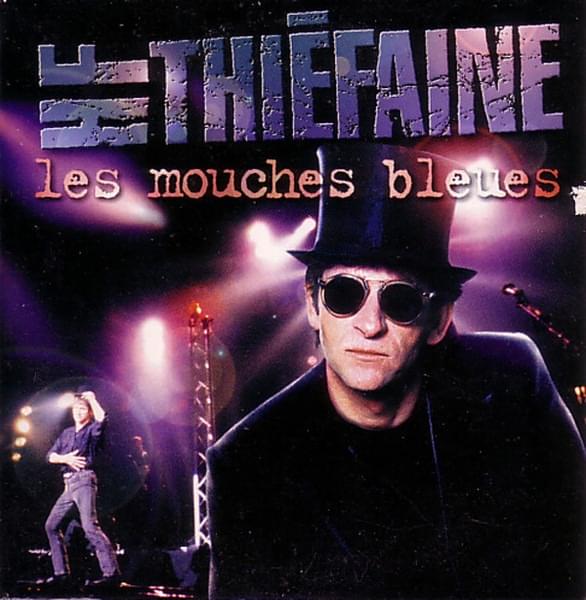
 View Artist