Song Meaning
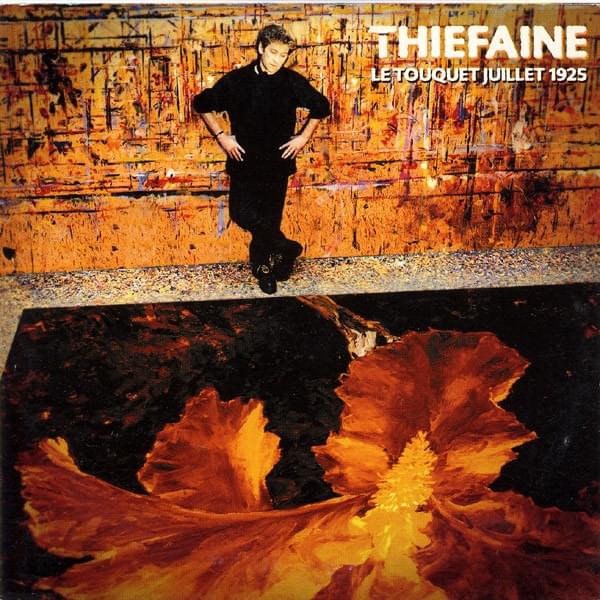
Hubert-Félix Thiéfaine's "Le Touquet Juillet 1925" unfolds like a sun-drenched, slightly feverish dream. The repetition of "Le soleil joue / Sur nous" (The sun plays / On us) establishes an atmosphere, a static tableau of heat and languor. But beneath this shimmering surface, a complex interplay of desire, envy, and a hint of existential unease bubbles. The "vous" (you) is presented as someone supremely self-assured, a figure of fascination and, crucially, unattainable allure. This sets up the central tension: the speaker's simultaneous infatuation and feelings of inadequacy. The "Whaou" interjections punctuate the verses with a sense of breathless awe. He’s clearly smitten.
The lyrics plunge into a vivid, almost hallucinatory, fantasy sequence. The imagery is rich and evocative: "dentelles" (lace), "crinolines," a Chenard & Walcker (a vintage automobile). These details paint a picture of a bygone era, specifically the Roaring Twenties referenced in the song title. This historical setting serves to amplify the themes of forbidden desire and social barriers. The speaker imagines himself intimately intertwined with the object of his affection, yet the language is tinged with anxiety. The line "Le coeur coincé dans la portière" (The heart stuck in the door) suggests a feeling of being trapped, perhaps by his own desires or by the rigid social conventions of the time.
The song's most striking moment arrives with the lines describing the woman's eyes: "Au fond de vos yeux bleus d'agate / Je vois vos scissures et vos strates" (In the depths of your agate blue eyes / I see your fissures and your layers). This suggests a depth and complexity beneath her seemingly flawless exterior. The mention of "ce désir qui vous habite" (this desire that inhabits you) hints at a mutual attraction, but also a sense of danger or transgression. The final line, "Lorsque ma bouche touche aux limites / De votre split" (When my mouth touches the limits / Of your split), is deliberately ambiguous, suggesting both physical intimacy and a deeper emotional vulnerability. Ultimately, "Le Touquet Juillet 1925" is a song about the intoxicating power of desire, the torment of unrequited love, and the hidden complexities that lie beneath the surface of even the most idealized figures.
 View Artist