Song Meaning
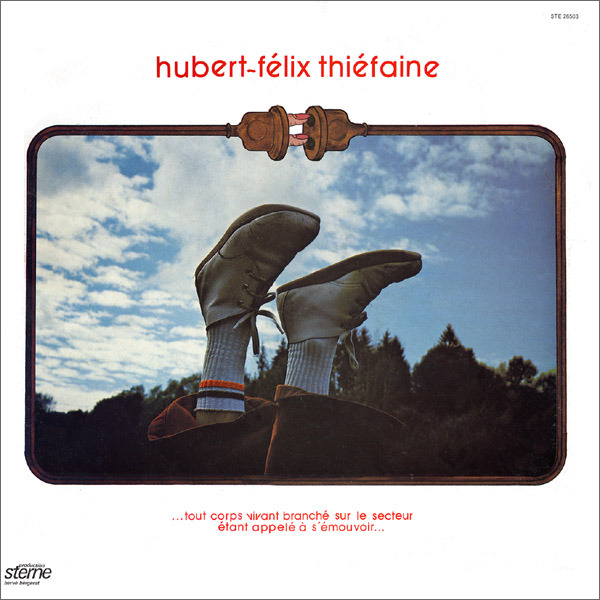
Hubert-Félix Thiéfaine's "L'Ascenseur de 22h43, 2ème partie" operates as a stark commentary on societal control and the stifling of individual emotion. The opening lines, "Tout corps vivant branché sur le secteur / Étant appelé à s'émouvoir," immediately establish a world where even basic human feelings are subject to external forces, wired into a system of regulation. The promise of arrival via the 10:43 PM elevator isn't a rescue, but an intervention, a "relevé du compteur de ton ennui" – a resetting of one's capacity for boredom, perhaps, or a forced confrontation with a manufactured apathy. Thiéfaine suggests that genuine change necessitates a radical shift: "changer de tête / Et puis brancher ton cerveau sur ton coeur," implying a disconnect between intellect and feeling that pervades modern existence. The repetition, "Rien ne sera plus jamais comme avant," acts as both a threat and a promise, underscoring the irreversible nature of this imposed transformation. This is not a gentle nudge but a psychic overhaul.
The interlude featuring the "surveillant général" intensifies the sense of authoritarianism. His pronouncements to the birds, "Si ça continue faudra que ça cesse... Agagagaga," convey a chillingly absurd threat against any form of dissent, even the natural expression of joy. The nonsensical "Agagagaga" amplifies the irrationality of power, its willingness to silence anything that disrupts its order. This figure embodies the petty tyrant, more concerned with maintaining control than with fostering genuine well-being. The imagery is grotesque and deliberately unsettling.
The final verse is a call to reject the state's influence: "Désormais vous êtes invités à laisser l'état dans les WC / Où vous l'avez trouvé en entrant." Thiéfaine urges listeners to recognize the state as a form of societal waste, something defiling the individual. The demand to "N'oubliez pas de me faire envoyer la liste / Des erreurs constatées au F 756 du 72 03 10" satirizes bureaucratic absurdity, highlighting the state's obsession with documentation and control. Ultimately, "L'Ascenseur de 22h43, 2ème partie" is a dark, surreal critique of a world where human emotion is monitored, regulated, and ultimately, suppressed. It's a call to reclaim individuality and reject the suffocating grip of societal control.
 View Artist