Song Meaning
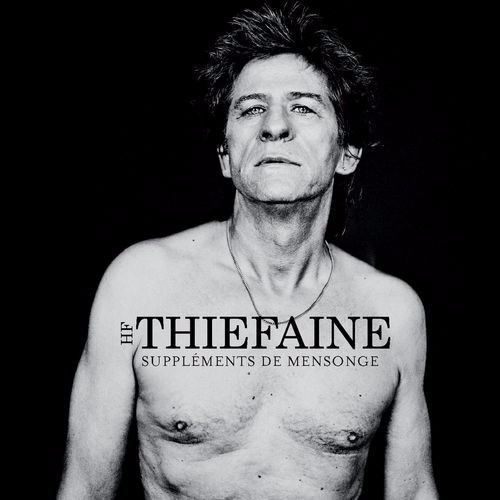
Hubert-Félix Thiéfaine's "L'amour est une névrose" isn't a saccharine serenade; it's a stark diagnosis. The song meaning, as the title bluntly states, equates love with neurosis. Thiéfaine paints a bleak portrait of love's decay into routine and disillusionment. The opening verses depict the monotonous return of husbands to their domestic lives, which he equates to morgues where their marital destinies lie in repose. This sets a tone of profound existential weariness, suggesting love has become a joyless obligation rather than a source of vitality. The recurring line "Amour névrose" acts as a grim mantra, reinforcing the idea that love, in its modern manifestation, is a pathological condition. The raw, exposed "ampoule nue sans tain" (bare bulb without silvering) is a powerful image of love stripped bare, revealing its harsh, unflattering reality. It's light without reflection, truth without beauty.
Further verses introduce images of desperation and distorted desire. The "blues de chiennes en chaleur" (blues of bitches in heat) and the bizarre scene of nuns and poodles suggest a perversion of natural instincts and a desperate search for connection in a world devoid of genuine warmth. The reference to Marlene Dietrich, "l'appât d'un leurre / Qu'a la gueule de Dietrich" (the bait of a lure / that has Dietrich's mouth), hints at the seductive but ultimately deceptive nature of romantic ideals. Thiéfaine isn't simply lamenting failed romance; he's dissecting the cultural myths that perpetuate it. The lines "Une chute une overdose" (a fall, an overdose) powerfully link the experience of love to addiction and destruction, suggesting that the pursuit of romantic fulfillment can lead to self-annihilation.
The final verses offer a particularly bleak vision of love's lingering presence. "Amour bleu du passé / Qui revient de la guerre" (Blue love of the past / That returns from the war) suggests that past loves, scarred by conflict and disillusionment, continue to haunt the present. The fleeting image of illicit desire-"Juste une jupe relevée / Sur une banquette arrière" (Just a skirt lifted / On a back seat)-\is juxtaposed with the image of a "christ embourbé / Sur la croix d'un calvaire" (Christ bogged down / On the cross of a calvary). This stark contrast underscores the idea that even in moments of fleeting pleasure, love is ultimately mired in suffering and sacrifice. The concluding image of "une étoile sans lumière" (a star without light) perfectly encapsulates the song's central theme: love, once a beacon of hope and inspiration, has become a cold, empty void.
 View Artist