Song Meaning
Hubert-Félix Thiéfaine's "Fenêtre sur désert" isn't simply a window onto a literal desert; it's a portal into the arid landscape of a tormented psyche, marked by the ghosts of a destructive relationship. The song meaning revolves around themes of exploitation, disillusionment, and the lingering trauma of a love affair gone toxic. The opening lines, rich with imagery of "ombres lancinantes" (throbbing shadows) and "étés délétères" (deleterious summers), immediately establish a sense of haunting and decay. Thiéfaine paints a picture of himself as a kind of errand boy, a "garçon de courses" running at the service of someone else's "jeux pervers" (perverse games), suggesting a power imbalance at the heart of the relationship. He evokes a past where he debased himself, dancing for "faunes, baltringues & souffreteux" (fauns, good-for-nothings, and weaklings), sacrificing his own well-being in a desperate attempt to gain access to the unattainable: "traverser tes yeux" (cross your eyes). This self-destructive behavior is not presented as romantic sacrifice, but as a symptom of manipulation.
The recurring refrain, "Souvenirs de baisers volés / De cercles vicieux infernaux / De lèvres au goût d'herbe mouillée / & de démons à fleur de peau" (Memories of stolen kisses / Of infernal vicious circles / Of lips with the taste of wet grass / & of demons on the surface), functions as a kind of mantra, a looping reminder of the intoxicating and ultimately poisonous nature of the relationship. The "baisers volés" (stolen kisses) hint at a lack of genuine connection, a relationship built on fleeting moments of passion rather than mutual respect. The "démons à fleur de peau" (demons on the surface) are not just personal flaws, but the visible manifestations of the destructive forces at play. The song subtly suggests the narrator's descent into madness as a consequence of this experience. The lines "l'on me ramène à l'asile / Après avis d'internement" (they take me back to the asylum / After notice of internment) paint a stark image of mental breakdown, the final consequence of chasing a mirage in the desert of the other person’s affection.
Ultimately, "Fenêtre sur désert" is a bleak exploration of emotional wreckage. The desert isn't just a setting; it's a metaphor for the emptiness and desolation left behind by a relationship that promised much but delivered only pain. The song's power lies in its unflinching portrayal of vulnerability and the insidious ways in which one person can exploit another's desires. The "window" offers no escape, only a clear view of the damage done, a chilling reminder of the high cost of chasing illusions in a landscape devoid of empathy. Thiéfaine masterfully uses evocative imagery and a haunting melody to create a portrait of psychological ruin, leaving the listener to contemplate the long-term consequences of a love affair gone devastatingly wrong.
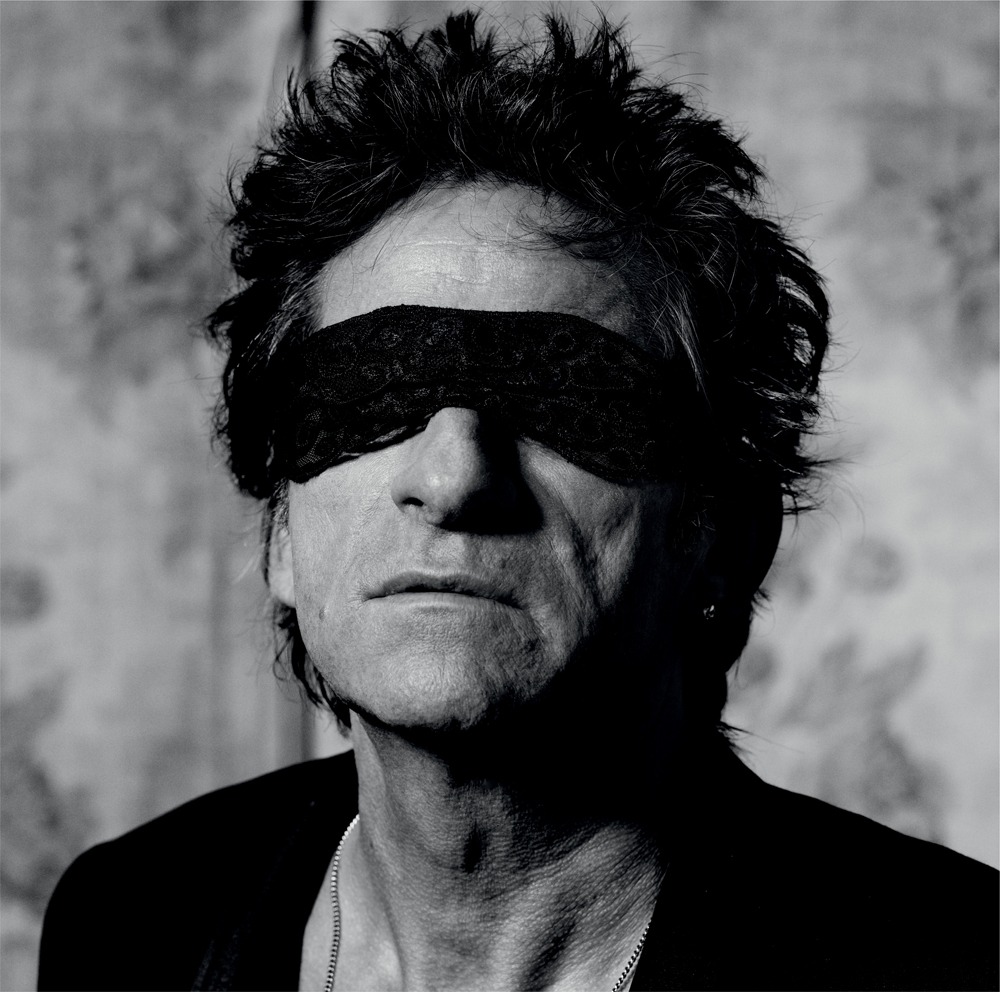
 View Artist