Song Meaning
The lyrics immediately plunge us into a tense domestic scene. A speaker, identifying as "the howlin' wolf," pleads for acceptance at a lover's door. There's a raw desperation, a fear of being cast out. This isn't just a visit; it's a primal cry for belonging.
The core conflict here is between the speaker's wild, inherent nature and the demands of the "darling." The repeated "howlin' at your door" suggests a persistent, almost animalistic longing, yet the speaker also promises, "I won't let you make me howl no more." This hints at a painful cycle where the lover's actions cause the very suffering they might then reject. The plea to not "drive the wolf from your door" reveals a deep vulnerability beneath the fierce exterior.
The "howlin' wolf" metaphor is brilliantly deployed, evolving from a self-proclaimed identity to a symbol of the speaker's subjugation. Initially, it's a badge of identity, but then the lover appears to desire the wolf's wildness only to punish it, wanting the speaker to "Drag my tracks out in the cold." This twist implies a desire for control. The image of the wolf "on his bended knees" is particularly striking, stripping the creature of its power and dignity.
What makes these lyrics so potent is their unflinching portrayal of power dynamics in a relationship. The contrast between the speaker's initial self-assertion as a powerful "howlin' wolf" and the later admission, "You made me get your shoes," lays bare a relationship built on control. The impending "Christmas eve" amplifies the emotional stakes, making the threat of abandonment feel even colder and more isolating. It's a raw, unvarnished look at love's capacity to both tame and wound.
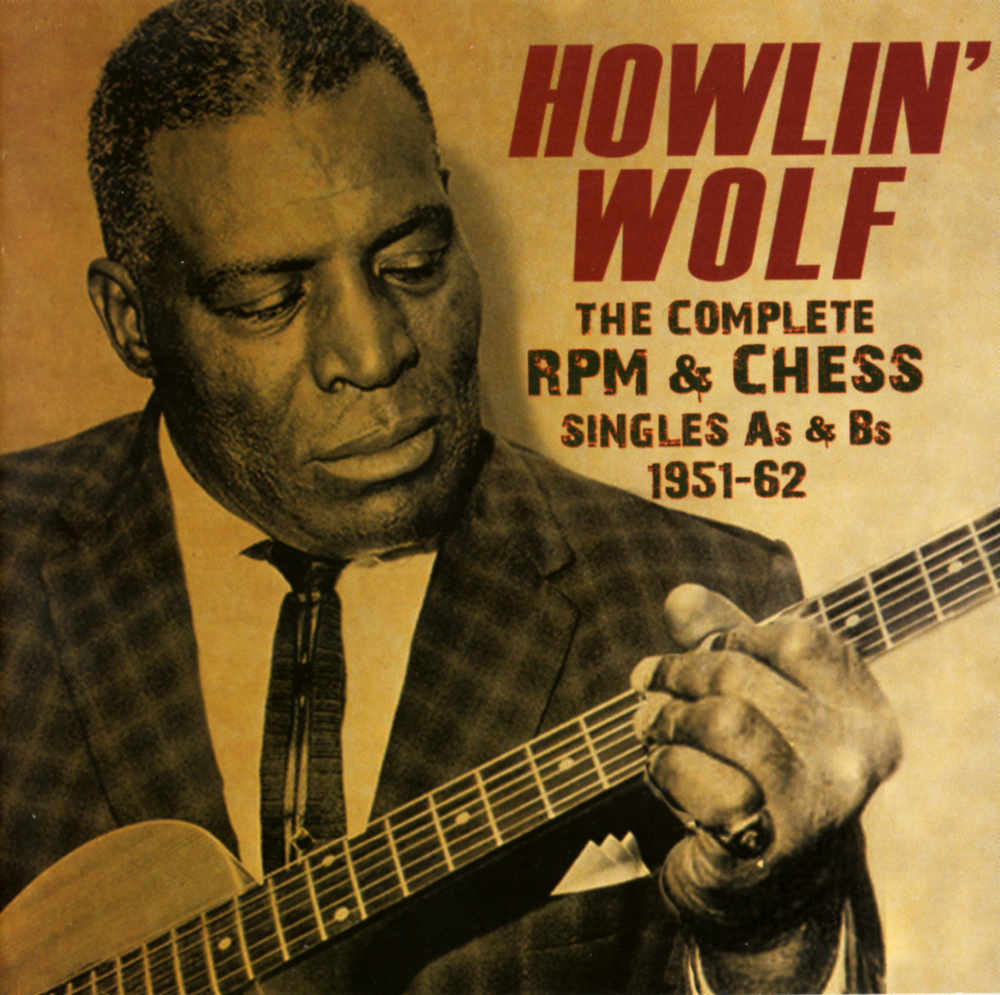
 View Artist