Song Meaning
The lyrics paint a stark picture of someone facing a difficult, perhaps inevitable, end. The opening lines, "You come out the hard way," suggest a struggle from birth, a theme that seems to echo throughout their life. The late hour of "4am" and the "morning's calling" imply a final reckoning is near, a point where words might fail. The repeated phrase "Make peace" acts as a somber, insistent plea against this backdrop.
The central tension lies in the confrontation with mortality, framed by the cyclical nature of existence: "You were born, you will die." This isn't a gentle transition; the narrator observes a "woman alone in a canyon," hearing her cry, but questions the external relevance of her pain with "Is it raining in West Memphis?" This suggests her suffering, while profound, might be intensely personal and isolated, even as the world outside continues indifferent.
The most striking craft element is the stark contrast between personal struggle and external reality, amplified by the shift in perspective. The narrator moves from observing a solitary figure to offering a communal, albeit grim, solidarity: "you are not alone, there's a crowd of us wandering / The same road you're walking." The imagery of "wolves at your door" introduces a primal threat, yet it's met with the shared experience of a "crowd," hinting that facing hardship is a collective human condition.
Ultimately, the effectiveness of these lyrics stems from their unflinching gaze at life's finite nature and the quiet desperation for acceptance. The repeated call to "Make peace" isn't a call for resolution in the typical sense, but an acknowledgment of the unavoidable. The final lines, "Cause we were born starry eyed, you and I / Make peace," introduce a shared origin of innocence that makes the final plea for peace even more poignant, a quiet surrender to the inevitable cycle.
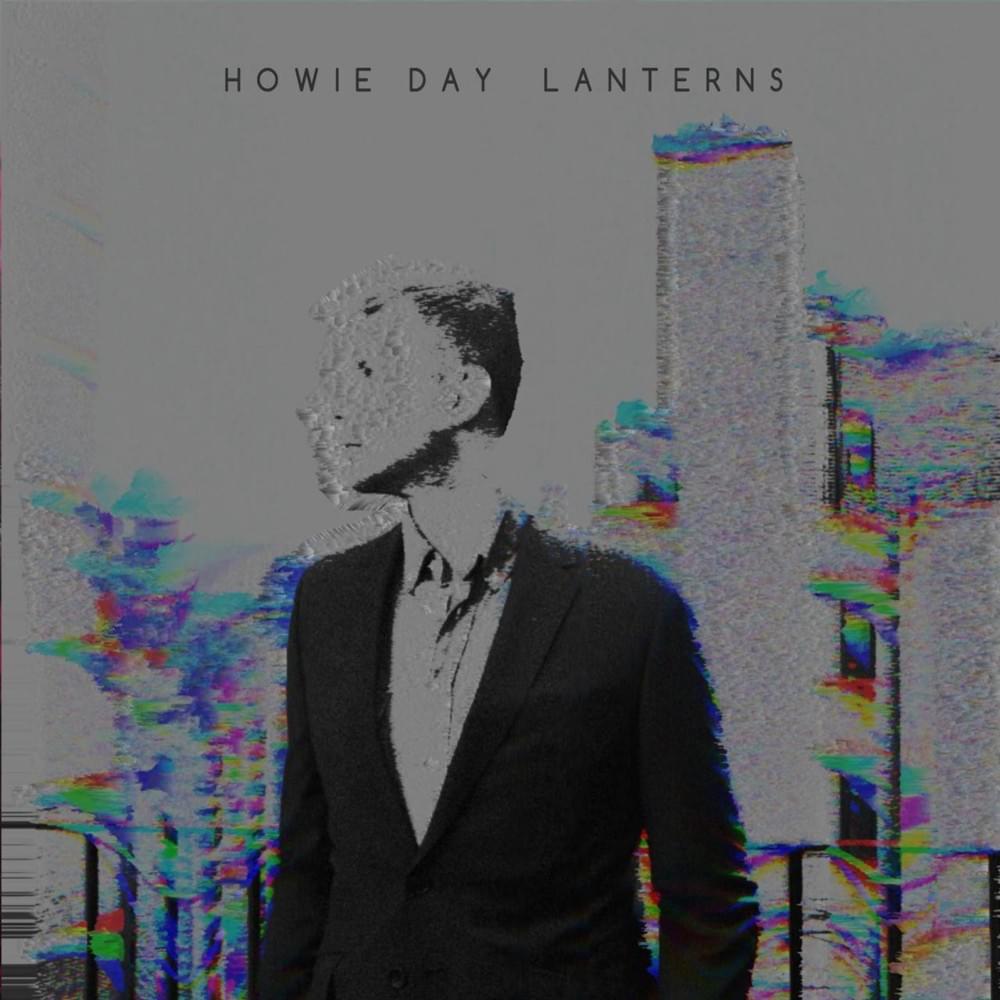
 View Artist