Song Meaning
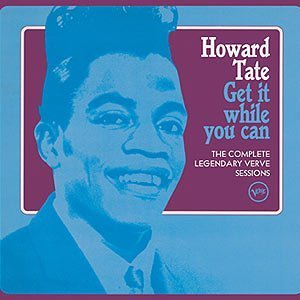
Howard Tate's rendition of "How Blue Can You Get?" isn't just a blues lament; it's a masterclass in emotional self-deprecation weaponized as a defense mechanism. The song, at its core, examines the paradox of a relationship steeped in both deep affection and profound dissatisfaction. Tate doesn't just sing about being blue; he uses escalating hyperbole to illustrate the impossible chasm between his efforts and his partner's expectations. The opening lines establish a baseline of despair that only intensifies as the song progresses. The repeated question, "How blue can I get?" isn't a genuine inquiry but a rhetorical challenge, dripping with weary resignation. It's the sound of a man who has reached the limit of his emotional capacity, finding a twisted solace in the very depths of his sorrow. It’s not just sadness; it’s existential exhaustion.
The lyrics paint a vivid picture of a relationship defined by transactional imbalances and unmet desires. The constant back-and-forth between closeness and distance, love and resentment, highlights the push-pull dynamics that often characterize toxic relationships. Lines like "You're evil when I'm with you, baby, and you're so jealous when we're apart" expose the inherent contradictions. The man is trapped in a double bind, unable to satisfy his partner's conflicting needs. He offers material possessions and emotional commitment, only to be met with disdain and ingratitude. These failed attempts at appeasement underscore the futility of his efforts, reinforcing the sense of helplessness that permeates the song.
Ultimately, "How Blue Can You Get?" transcends the personal and touches on a universal human experience: the struggle to find validation and reciprocity in relationships. The song's power lies in its unflinching portrayal of emotional labor and the crushing weight of unmet expectations. Tate's performance transforms the blues trope of heartbreak into a stark exploration of psychological manipulation and emotional dependency. The exaggerated scenarios—the Ford versus Cadillac, the penthouse dismissed as a shack—become symbolic of a deeper, more profound disconnect. They represent the chasm between what is offered and what is desired, the endless cycle of disappointment that fuels the blues. The song leaves us not with a sense of resolution, but with the lingering question: how much can one person endure before finally breaking?
 View Artist