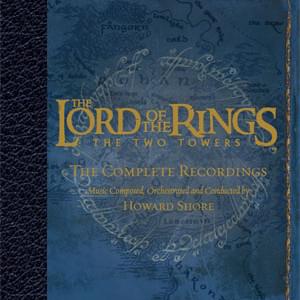
Song Meaning
The lyrics present a poignant lament, weaving together themes of loss, hope, and the fading of an era. The repeated phrases like "Ú i vethed" (No more) and "Ú-esteliach" (You do not hope) establish a somber tone, suggesting a profound sense of finality and despair. This is juxtaposed with the recurring "Estelio han" (Hope in this) and "Estelio veleth" (Hope in love), which introduce a fragile thread of optimism amidst the desolation.
The central tension lies in the struggle between succumbing to despair and holding onto hope, particularly in the face of overwhelming odds or the diminishment of a people. The repetition of "Estelio han" acts as a mantra, a desperate plea to find solace or strength in what remains, even as the surrounding context implies a world in decline. The inclusion of "Le íon adar lín" (You are the son of your father) grounds this hope in lineage and legacy, suggesting that the future, however uncertain, is tied to the past.
The most striking craft element is the use of contrasting phrases that directly oppose each other: the negation of hope versus the affirmation of hope, and the finality of loss against the persistence of love. This creates a powerful emotional push and pull, mirroring the internal conflict of clinging to belief when all evidence points to the contrary. The structure, with its fragmented phrases and recurring motifs, evokes a sense of searching and yearning, as if piecing together fragments of a broken world.
These lyrics resonate because they capture the universal human experience of facing endings while still searching for reasons to continue. The delicate balance between acknowledging profound loss and the stubborn insistence on hope, particularly hope in love and lineage, makes the sentiment deeply affecting. It’s a testament to the enduring power of belief, even when whispered in the face of overwhelming darkness.