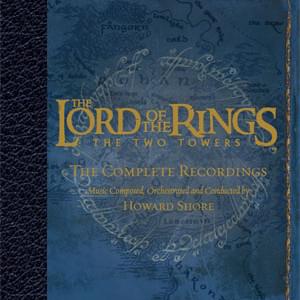
Song Meaning
This piece opens with a sense of profound stillness and transition. The initial lines, sung in Elvish, evoke a feeling of cold, dark waters and a fading world. There's an immediate sense of loss and the end of an era, setting a somber and reflective tone for what follows. The music itself seems to underscore this feeling of quiet despair.
The core of the lyrics speaks to an inevitable departure and the fading of life. Phrases like "na 'wanath ah na dhín" (to the west and to the darkness) and "na ringyrn e-mbar han" (to the cold world) suggest a journey towards an unknown, perhaps final, destination. The repetition of "boe" (must) emphasizes a sense of unavoidable fate and resignation.
The most striking aspect is the stark contrast between the natural imagery of water and the impending end of existence. The lyrics directly state that "Boe naid bain gwannathar" (all must pass away) and "boe cuil ban firitha" (all life must fade). This isn't a gentle fading, but a forceful, inevitable cessation, highlighted by the final, somber declaration, "Boe naer gwannathach" (must mournfully pass away).
This lyrical passage achieves its emotional weight through its directness and the somber, almost elegiac, tone. It doesn't shy away from the finality of loss, presenting it as a natural, albeit sorrowful, progression. The Elvish language adds an ancient, ethereal quality, making the pronouncements feel both deeply personal and universally resonant within its specific context.