Song Meaning
The lyrics present a defiant call to action against stagnation and prejudice. The opening lines pose a question about the absence of new rebels, immediately establishing a sense of urgency and a rejection of the current state of affairs. There's a clear intention to confront bigotry, not with aggression, but with intellectual and moral fortitude, emphasizing "reason" and "constancy" as the chosen weapons. This sets up a narrative of forward momentum against entrenched opposition.
The central tension arises from the conflict between moving forward and being held back by the past. The repeated imagery of the "river" serves as a powerful metaphor for progress and natural development, urging listeners to "let it flow" and "let it grow." This is contrasted with the destructive impulse to "build a dam on evolution" or "cling on to the past." The narrator expresses a strong faith in humanity's potential, rejecting the idea of "extinction" and insisting that the species has "come too far to fail."
The most striking craft element is the persistent use of the river metaphor, which is both a symbol of unstoppable natural force and a guiding light, our "lamp light." The chorus, in particular, transforms this natural image into a source of strength and purpose, linking the river's flow to "reason" and growth. The parenthetical interjections in the final chorus, like "don't look back" and "we might fall," add a layer of vulnerability and acknowledge the risks involved in progress, making the call to "let it flow" feel more earned and less naive.
Ultimately, the effectiveness of these lyrics lies in their optimistic yet grounded exhortation. They tap into a desire to overcome obstacles and resist oppressive forces by embracing change and trusting in collective human capacity. The writing crafts a sense of shared purpose, urging individuals to "take it on" and contribute to a future that is actively built, not passively inherited or feared to be lost.
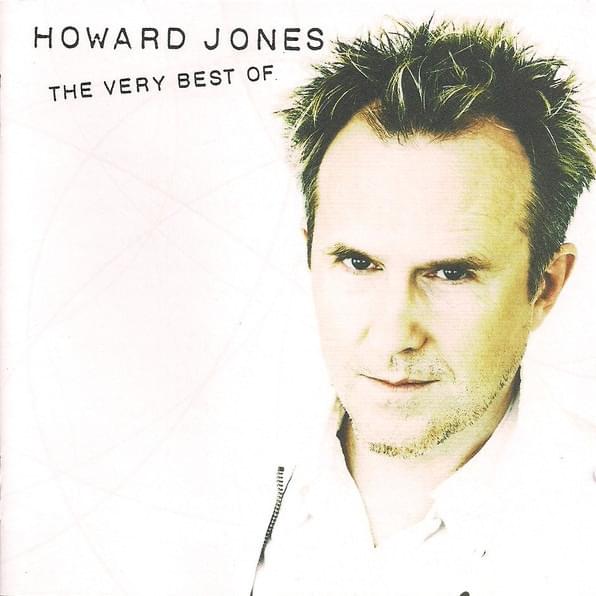
 View Artist