Song Meaning
The narrator is caught in a painful limbo, questioning the demise of a once-great love. The repeated phrase "Don't you wonder too?" acts as a desperate plea for shared confusion and acknowledgment, highlighting the isolation of their grief. It’s not just about the end of the relationship, but the baffling nature of its fading, leaving the narrator stuck in a state of perpetual bewilderment. The core tension lies in the contrast between the past's perceived perfection and the present's unresolved questions.
The lyrics paint a picture of a love that felt divinely pure, described as "Heaven's snow." This imagery suggests a fragile, beautiful, and perhaps even pristine beginning. The subsequent question, "Tell me why did I let you go?" reveals a deep sense of regret and self-blame, suggesting the narrator feels responsible for the loss. This internal conflict between cherishing the memory and questioning their own actions fuels the song's melancholic core.
A particularly striking element is the bridge's contemplation of time. The narrator observes how time heals and allows seasons to change, yet it paradoxically fails to grant them "a moment of freedom" from their lingering questions about the lost love. This suggests that while the world moves on, the narrator remains tethered to the past, unable to find peace or closure. The desire for freedom is not about moving on, but about finding a moment to simply *be* with the memory, free from the pain of its absence.
Ultimately, the effectiveness of these lyrics stems from their raw vulnerability and the relatable struggle with unanswered questions. The simple, direct language and the insistent repetition of "Don't you wonder too?" create a sense of shared longing and confusion. It captures that specific ache of knowing something beautiful is gone, but having no clear reason why, leaving the listener to ponder their own unresolved pasts.
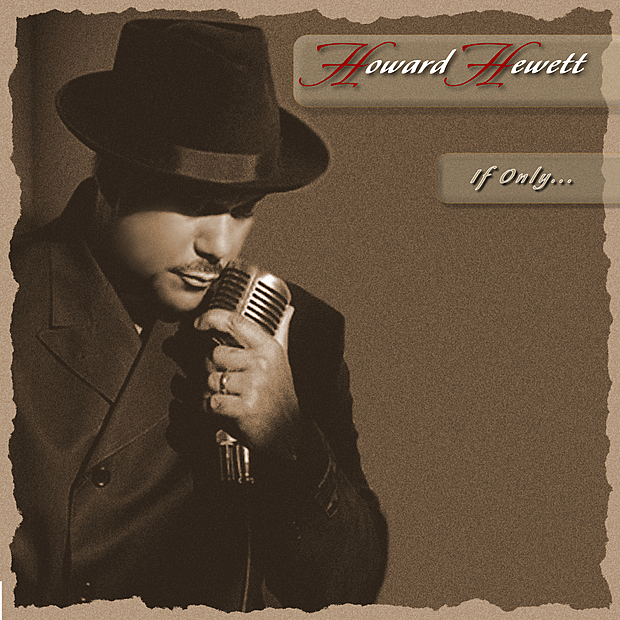
 View Artist