Song Meaning
The lyrics paint a picture of a late-night rendezvous, tinged with the bittersweet reality of a forbidden connection. The narrator urges their lover to leave discreetly, taking a path through the park to avoid detection. There's an immediate sense of stolen moments, where time flies by when they're together, highlighting the preciousness of their limited time. The underlying anxiety, however, is palpable: the narrator knows life will be much worse without this person, revealing a deep emotional dependency.
The central tension arises from the lover's divided loyalties and the narrator's desperate longing. The repeated plea, "Nachts, wenn alles schlaft, solltest du bei mir sein," underscores the desire for a complete, uncompromised presence. This is starkly contrasted with the painful truth: "Doch du bist bei ihm und ich bin allein." The narrator perceives a fundamental disconnect in the lover's current relationship, suggesting "Der, dem du geharst, zu dem geharst du nicht," implying a lack of genuine connection or belonging there, which fuels the narrator's hope.
A particularly poignant craft element is the narrator's attempt to rationalize the situation and future possibilities. They insist that the lover's previous relationship was already over "Auch bevor es mit uns begann," and that the partner was "nicht der Mann." This framing serves to minimize the transgression and build a case for the present connection, suggesting that leaving the other person "ist halb so schwer." The lyrics also weave in English phrases, "I want you closer baby" and "I'm so lonely baby," which, while not explicitly explained, add a layer of raw, direct emotional expression that cuts through the German narrative.
Ultimately, the effectiveness of these lyrics lies in their raw portrayal of yearning and the quiet desperation of a love that exists in the shadows. The narrator's focus on the clandestine nature of their meetings and the painful awareness of being alone while the lover is elsewhere creates a potent emotional landscape. The writing captures the ache of wanting more than stolen moments, grounded in specific observations about time, secrecy, and the perceived flaws of the lover's other commitments.
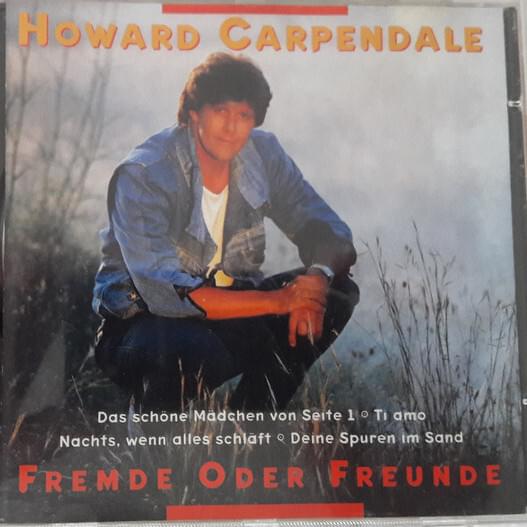
 View Artist