Song Meaning
The lyrics paint a picture of a deep, all-consuming love for someone elusive and untamable. The narrator declares, "You mean everything to me today," and their own sense of time is dictated by this person, "My clock runs by your time." This intense devotion is immediately met with the central metaphor: the wind. The wind, inherently free and restless, cannot be caught, and the narrator recognizes this same wildness in their beloved. This creates an immediate tension between the narrator's desire for possession and the beloved's inherent need for freedom.
The core conflict arises from this fundamental incompatibility. The narrator's love song, meant to bind them together, "helps only to a limited extent." The beloved is described as being like the wind, constantly moving, and the narrator is left with the poignant question, "How long can I still hold you?" This isn't just about physical distance; it's about an uncontainable spirit that the narrator desperately wants to keep close but knows they cannot truly possess. The beloved's past experiences, where they "trusted someone too much" and were "seen through too late," have left them wary, projecting past hurts onto present affections.
The most striking aspect is the beloved's resigned acceptance of their own nature, encapsulated in the phrase, "I am just the way I am." This isn't defiance, but a quiet acknowledgment of an unchangeable core. When love is spoken of, "a shadow plays around your face," suggesting a deep-seated fear or pain that prevents full emotional surrender. The narrator, despite understanding this, "accepts it," highlighting the bittersweet reality of loving someone who cannot be fully captured or changed. The repeated "Schubidamdam" refrain, nonsensical and rhythmic, underscores the persistent, almost hypnotic, nature of this love and the underlying anxiety.
Ultimately, the effectiveness of these lyrics lies in their raw portrayal of loving someone whose essence is freedom. The wind metaphor is not just a comparison; it's the very nature of the beloved, making the narrator's desire to hold on both understandable and heartbreakingly futile. The lyrics capture the ache of loving an independent spirit, the quiet resignation to their wildness, and the constant, gnawing uncertainty of how long such a connection can endure against the force of nature itself.
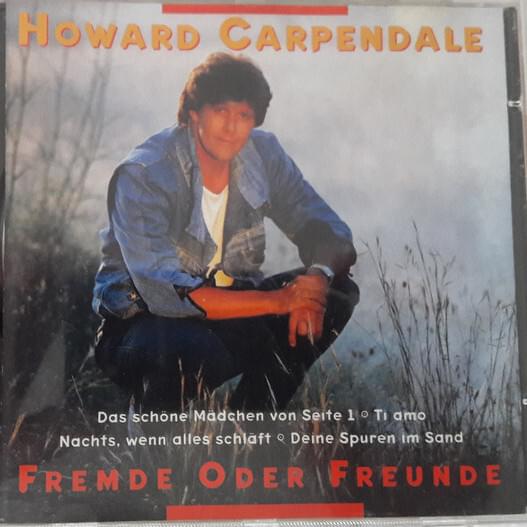
 View Artist