Song Meaning
The narrator lays out a grand ambition for the future, a desire to transform into a pantheon of soul, funk, and R&B legends to win someone over. The list reads like a who's who of iconic Black music artists, from the smooth grooves of Stevie Wonder and Earth, Wind & Fire to the innovative sounds of Herbie Hancock and George Clinton. This isn't just about admiration; it's a blueprint for a radical self-reinvention, a desperate attempt to embody the essence of musical greatness.
The core tension lies in the promise of change versus the uncertainty of its execution. The repeated "Je changerais" (I would change) is met with the hesitant "Demain ou peut-être jamais" (Tomorrow or maybe never). This creates a palpable sense of longing mixed with a deep-seated doubt, suggesting the immense pressure of the goal might be paralyzing. The "Oh Yeah!" exclamations, initially sounding like confident declarations, become tinged with a desperate, almost pleading quality as the possibility of never changing looms.
The sheer density of musical references is a powerful rhetorical device. By invoking such a diverse and revered group of artists, the narrator elevates the stakes of their personal quest. It's a maximalist approach to expressing desire, aiming to capture the multifaceted appeal of these musical titans. The shift from specific artists to broader entities like "La Stone Family" and "Chic" further emphasizes the vastness of the transformation envisioned.
Ultimately, the lyrics resonate because they tap into the universal feeling of wanting to be someone else, someone better, for love. The contrast between the grand vision and the hesitant follow-through captures the complex emotional landscape of ambition and insecurity. The narrator's desire to become a constellation of musical stars highlights the overwhelming nature of self-improvement when driven by external validation.
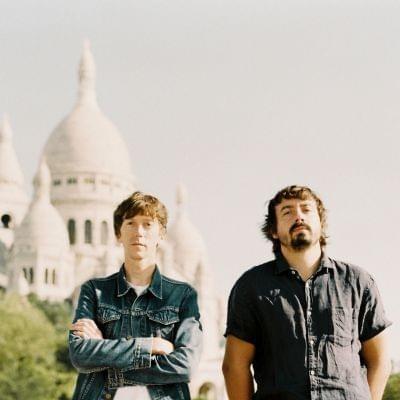
 View Artist