Song Meaning
The narrator is grappling with a sudden, unexpected loss, feeling utterly alone and blindsided. The opening lines paint a picture of solitary struggle against an indifferent natural force, the moon, mirroring the internal turmoil. The abrupt departure of a loved one, described as leaving "much to soon" without "warnings or goodbyes," creates a profound sense of shock and sorrow, leaving a "sad girl" in the wake of this demise.
The core of the lyrics revolves around the inescapable grip of the past and the fleeting nature of memory and experience. The phrase "It's all about the past" is repeated, emphasizing how the present is overshadowed by what has been lost. This fixation on what's gone is contrasted with the rapid movement of time, which "moves away so fast," creating a disorienting sense of being left behind. The central emotional paradox is captured in "Bitter sweet euphoria," suggesting that even in profound grief, there are lingering, complex echoes of past happiness or intense feeling.
The writing powerfully conveys the crushing weight of grief through visceral imagery. Loss is not just an abstract concept but a "cruel pinch" that "Bares down like a hurricane," and pain "Comes crashing like a stone." These metaphors highlight the overwhelming, destructive force of the narrator's emotions. The idea that "All lovers pay the price" before they "go insane" suggests a fatalistic view of love and its inevitable connection to suffering and mental anguish, reinforcing the narrator's isolation.
This lyrical construction is effective because it grounds abstract emotional pain in concrete, powerful natural forces and physical sensations. The repetition of key phrases like "It's all about the past" and the titular "Bitter sweet euphoria" creates a hypnotic, almost obsessive quality, drawing the listener into the narrator's cyclical thoughts. The stark contrast between the intense, destructive imagery of loss and the lingering, paradoxical "euphoria" makes the emotional landscape feel raw and deeply resonant.
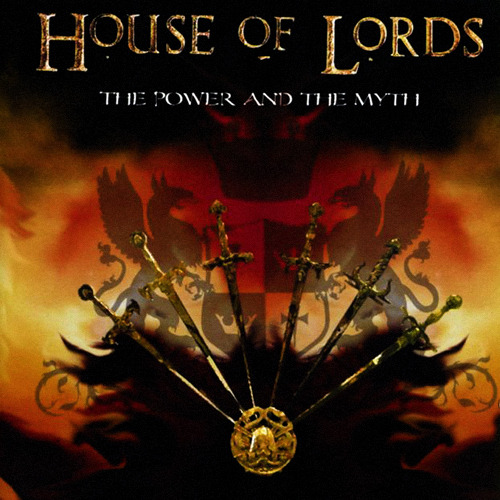
 View Artist