Song Meaning
The lyrics paint a picture of a mind consumed by an obsessive thought, likely a person. The setting is described as a "place, encouraging obsession," which immediately establishes a sense of unease and external pressure contributing to the internal turmoil. The narrator is caught in a loop, admitting, "you're on my mind, all the time," a phrase that underscores the inescapable nature of this fixation. This isn't a casual thought; it's a relentless presence that dictates the narrator's emotional state.
The core tension arises from the conflict between the inability to let go and the desperate need to do so. The narrator grapples with a sense of déjà vu, lamenting, "it's all been done before," suggesting a pattern of failed attempts to move on or a history of similar emotional experiences. This leads to a defiant, yet fragile, declaration: "I don't need you anymore." However, this resolve is immediately undermined by the palpable anxiety of "reservations, palpitations, killing me with bad vibrations," revealing the deep-seated fear and physical toll this obsession is taking.
The craft here hinges on the stark contrast between the narrator's stated intentions and their lived emotional reality. The repetition of "I can't shake the feeling" emphasizes the powerlessness against the intrusive thoughts. This is amplified by the shift towards self-deception, where the narrator attempts to "start believing" they are free, only to admit, "I can't pretend." The lyrics also highlight a confusion about identity and truth, with "new excuses, over-uses, never knowing what the truth is," suggesting a loss of self amidst the emotional chaos and a yearning for clarity with the questions, "What ever happened to you? What should I do?"
Ultimately, the effectiveness of these lyrics lies in their raw portrayal of a mind caught in a cycle of obsessive thought and attempted self-preservation. The internal battle, marked by physical symptoms and a struggle for genuine belief in independence, creates a relatable, albeit uncomfortable, portrait of emotional distress. The narrator's repeated attempts to convince themselves of their freedom, only to be pulled back by the persistent "feeling," makes the struggle feel immediate and deeply personal.
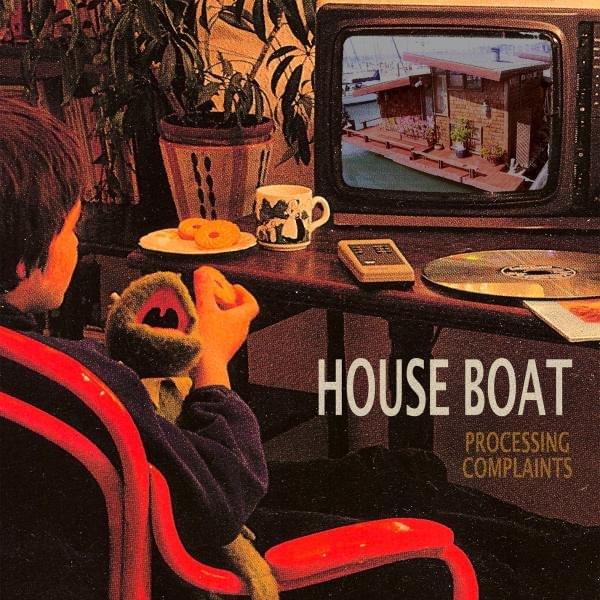
 View Artist