Song Meaning
The lyrics paint a picture of intense social anxiety and awkwardness, framed by a specific, almost surreal encounter. The narrator experiences physical discomfort, "empty brain and stomach pain," and a mental "overload" that triggers "awkward mode." This internal turmoil is amplified by a chance meeting in an elevator, where a direct question about liking heavy metal becomes a high-stakes social test. The narrator's fumbling, uncertain response – "Well no / I don't know / I guess so / I hope so" – highlights a desperate desire to connect despite a lack of genuine shared interest.
This initial discomfort quickly morphs into a plea for connection based on superficial similarities. The narrator observes shared "hooded sweatshirts" and fears the "shame" of both individuals going home alone, suggesting a transactional or desperate attempt at intimacy. The focus shifts from genuine compatibility to the sheer avoidance of loneliness. The narrator’s internal state is a "mess," a "distress" signal, yet there’s a hopeful, albeit uncertain, undercurrent that this interaction might lead to happiness, a release from their current state of being "undead."
The most striking aspect is the contrast between the narrator's internal chaos and the mundane setting, juxtaposed with the profound emotional stakes they attach to a simple question. The lyrics reveal a deep-seated insecurity, where even a casual interaction feels like a potential disaster. The narrator’s admission of past failures – "always given up / Lied haven't taken / Cause I was too tired" – sets the stage for this current, desperate attempt to avoid repeating those patterns, even if it means fabricating interest or relying on flimsy commonalities like clothing.
Ultimately, the effectiveness of these lyrics lies in their raw portrayal of vulnerability and the desperate human need for connection, even when riddled with self-doubt. The narrator’s internal monologue, oscillating between anxiety and a fragile hope, makes the situation feel both specific and universally recognizable. The final lines, "Oh I won't be unhappy anymore," offer a tentative resolution, suggesting that the act of reaching out, however imperfectly, is enough to shift their emotional landscape from despair to a flicker of optimism.
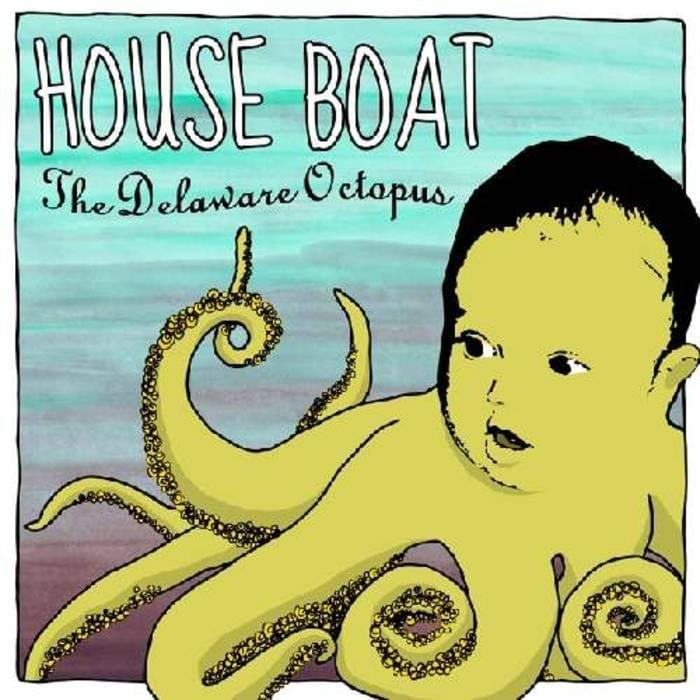
 View Artist