Song Meaning
The lyrics paint a stark picture of a relationship or a shared past that has been irrevocably altered by a single, pivotal decision. The opening lines immediately establish a sense of lost memory and a moment of stasis, with "everything frozen in time." This isn't just a pause; it's a permanent state of being, a chilling consequence of a choice made long ago.
The central tension lies in the narrator's questioning of a past promise, framed by terms like "destiny" and "heaven." The repeated phrase "You can't see / All invisible to you" suggests a profound disconnect, where the narrator perceives a lost ideal or a hidden truth that the other person is now blind to. This blindness is the source of the emotional paralysis, trapping them both in the aftermath of that singular, defining moment.
The craft here hinges on the stark contrast between memory and present reality, and the recurring motif of being "frozen." The lyrics powerfully convey how a past commitment, once perceived as divine or fated, has instead led to a sense of betrayal and the loss of souls. The repetition of "It's not meant to be, but if there is a will, there is a way" offers a glimmer of hope, yet it's immediately undercut by the preceding lines about souls being lost and betrayed, creating a poignant, unresolved feeling.
This writing hits hard because it captures that specific, agonizing feeling of looking back at a fork in the road and knowing that one turn shattered everything. The narrator's persistent questioning and the imagery of things being "invisible" to the other person highlight the isolating pain of experiencing the consequences of a shared past alone. The final, repeated mantra feels less like a confident assertion and more like a desperate, almost prayer-like wish for a way out of the frozen present.
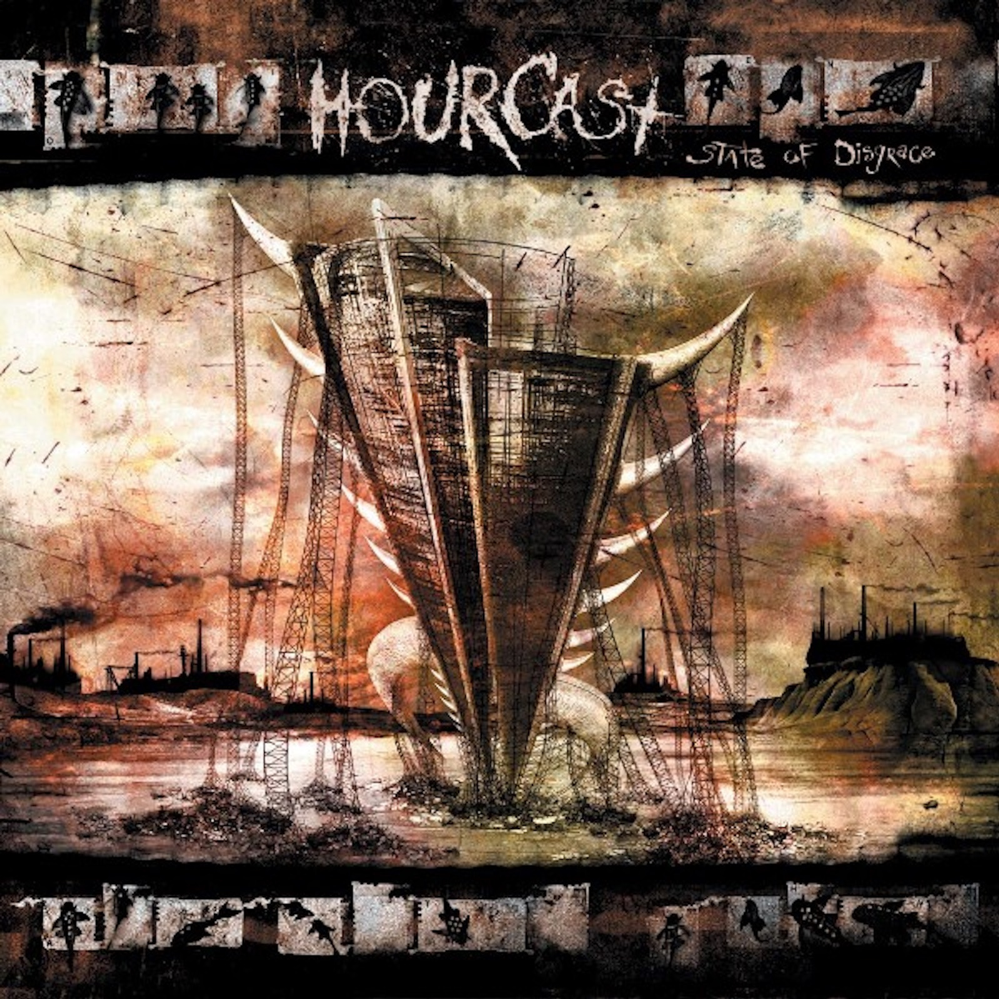
 View Artist