Song Meaning
This song paints a raw picture of regret and desperate longing. The narrator opens with a direct apology, confessing to causing pain and tears on the "white cheeks" of someone who was once pure and kind. This immediate admission sets a tone of deep remorse, driven by the fear of losing this person, a fear stemming from an overwhelming love. The lyrics suggest a past where the absence of this loved one was almost unbearable, leading to solitary, tearful moments, even in the rain.
The central tension lies in the narrator's plea for the loved one's return, juxtaposed with their own promise to never cause sadness again. They express a profound desire to be reunited, stating that the happiness they felt with this person is the measure of their current longing. This promise to be strong and avoid future pain feels like a desperate attempt to prove their worthiness and mend the fractured relationship. The repeated phrase "I love you, I miss you" underscores the depth of this emotional need.
The most striking element is the narrator's raw vulnerability, particularly in the later verses. Holding a photo, tears falling onto it, and wishing for the loved one to cry too reveals a shared pain and a desperate hope for connection. The plea, "Hold me just once, just one time," and the declaration that this is their "last love" highlight the immense stakes. The narrator is not just asking for reconciliation but is praying fervently not to lose this person again, framing the entire situation as a final chance.
This lyrical construction is effective because it grounds abstract emotions in concrete imagery and direct address. The contrast between past hurt and future promises, the physical act of holding a photo, and the raw, repeated confessions of love and regret create an intimate and palpable sense of desperation. The song resonates because it captures the universal ache of wanting to undo past mistakes and the profound fear of losing someone irreplaceable, amplified by the belief that this love is irreplaceable.
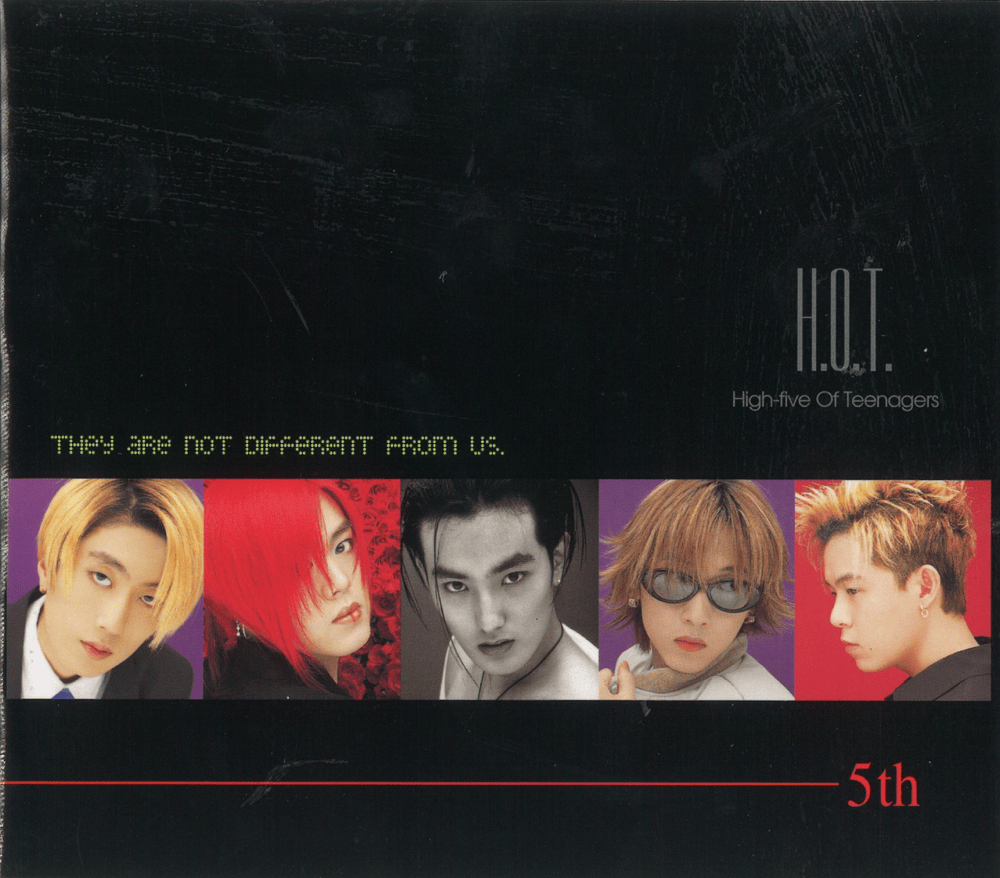
 View Artist