Song Meaning
The lyrics paint a picture of intense external pressure and internal struggle. The opening chorus, "Say, you, I got you," acts as a defiant shield against a hostile world. It’s a declaration of self-reliance and a promise of unwavering support, not just to one person, but to a collective, as hinted by "and you and you." This immediate assertion sets a tone of resilience in the face of adversity.
The verses reveal the source of this pressure: a pervasive sense of danger and a struggle for self-realization. The narrator faces threats, with "Many men wish death upon me" and "Thugs wanna take my life away." This external hostility is so overwhelming that it blinds him, "Blood in my eye, dawg, and I can't see." The repeated phrase "Many men" emphasizes the scale of this opposition, creating a feeling of being surrounded and outnumbered.
The most striking aspect is the contrast between the external threats and the internal resolve. Despite the danger, the narrator declares, "Lord, I don't cry no more / Don't look to the sky no more." This isn't a sign of despair, but a hardening, a shift from seeking external solace to finding strength within. The repetition of "I got you" in the chorus becomes a mantra, a source of power derived from within and projected outward, reinforcing his commitment to himself and others despite the overwhelming odds.
This lyrical construction makes the song hit hard by juxtaposing profound vulnerability with unshakeable conviction. The raw imagery of physical threat and blindness is met by the simple, powerful repetition of "I got you." It’s this internal fortitude, born from facing down immense external opposition, that gives the chorus its potent, almost defiant, emotional weight.
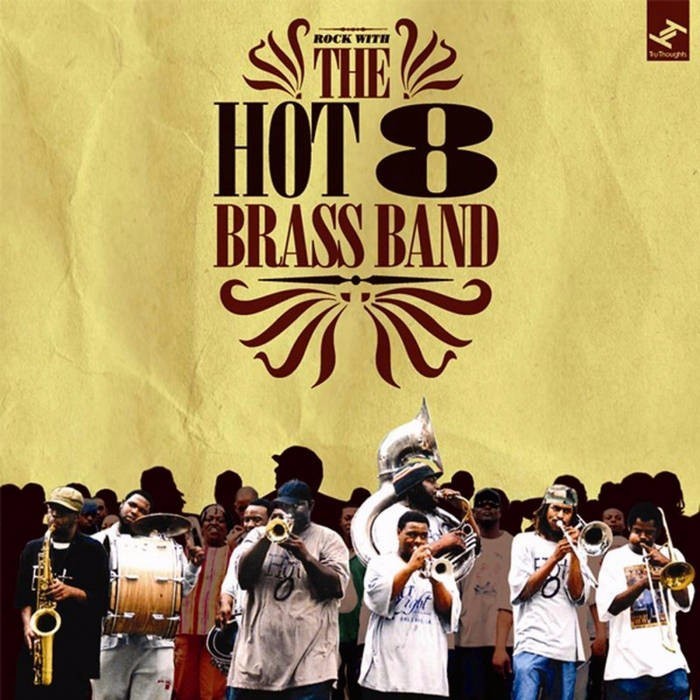
 View Artist