Song Meaning
The lyrics paint a stark picture of a world teetering on the brink, a "desperate place made more austere." The opening lines immediately establish a sense of shock and disbelief, as if the current dire circumstances were entirely unforeseen. This feeling is amplified by the cynical question about what can be sold when everyone is "off the shelves," suggesting a societal collapse where even human labor or value is depleted. The dominant tone is one of urgent unease, a palpable tension that seems to permeate global events.
The central conflict emerges from the contrast between widespread disillusionment and a defiant refusal to accept the status quo. The narrator acknowledges the "unease" felt globally, linking "Troubled States" to the "Arab Spring" and the "scorching streets." Yet, amidst this turmoil, a powerful counter-narrative of resistance takes hold, articulated by the recurring phrase, "The youth of the world are alive in the streets." This collective awakening is presented not as a passive observation but as an active force pushing back against oppressive systems.
The most striking craft element is the juxtaposition of economic jargon with revolutionary fervor. Phrases like "bell strikes Four on the trading floor" and the parenthetical, "Yes, we'd like some more," evoke the detached, insatiable nature of global finance. This is immediately contrasted with the raw, visceral imagery of "scorching streets" and "Tarhir Square sings," highlighting the human cost and the yearning for something more profound than profit. The lyrics suggest that the true fear of the establishment isn't physical destruction but the power of collective thought and dissent, encapsulated in the line, "It's not the bricks 'they' fear, it's what we think."
Ultimately, the effectiveness of these lyrics lies in their ability to capture a moment of global unrest and imbue it with a potent, almost defiant hope. The repeated assertion, "I refuse to believe it's impossible," acts as an anthem against despair. By grounding this refusal in the visible energy of "the youth of the world," the writing transforms abstract political anxieties into a tangible, urgent call to action, making the struggle feel immediate and deeply personal.
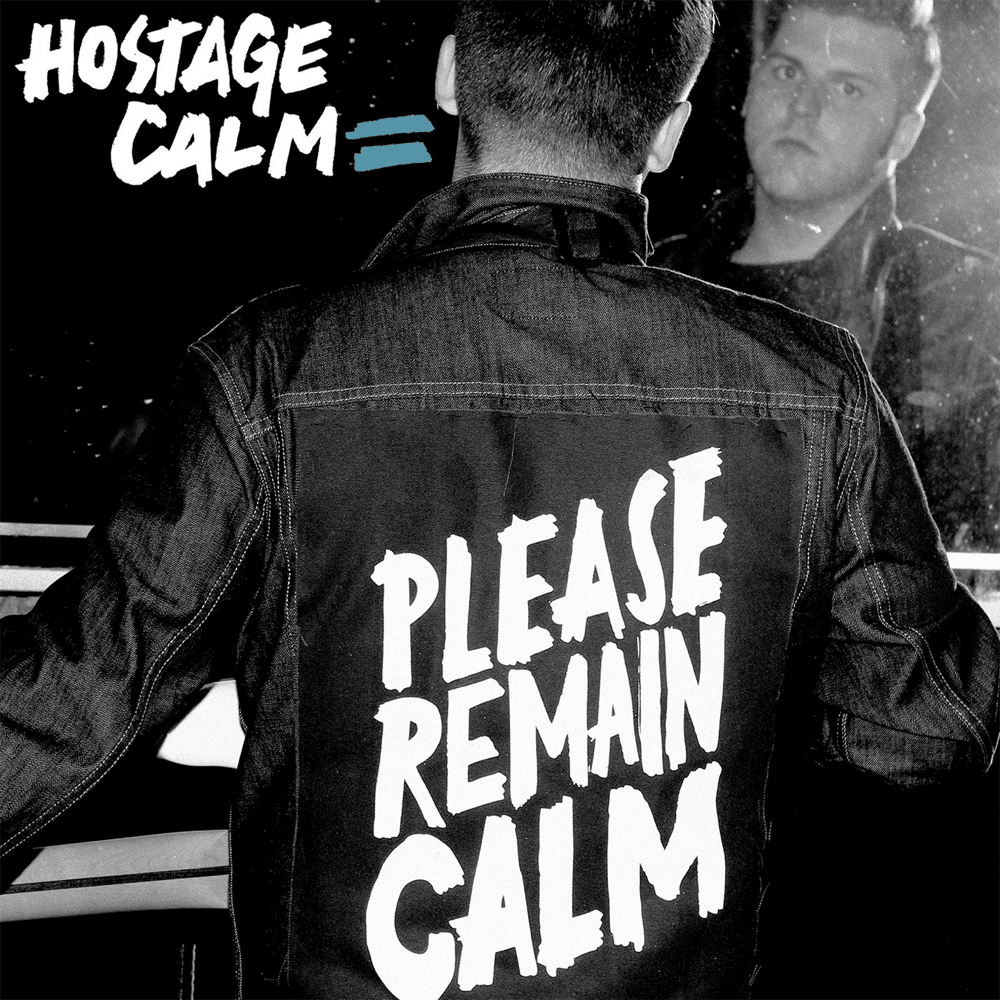
 View Artist