Song Meaning
The lyrics paint a stark portrait of a father figure who feels deeply unappreciated, despite significant sacrifices. He emphasizes his efforts, like spending "ten hours spent in court" and loving the subject "more than his own wife," suggesting a profound, perhaps legally-bound, commitment. Yet, this devotion is met with emotional distance, highlighted by the image of a goodbye "behind the Cutlass" and the repeated refrain, "And still you don't feel love?" This creates an immediate tension between the father's perceived actions and the subject's emotional response.
The central conflict seems to stem from a history of parental discord and its lasting impact. The narrator states, "Habits stick, raised on divorce politics / Broken-home-grown isolation," directly linking the subject's current emotional state to their upbringing. The father's plea, "Your records won't reveal / What I went through to protect you," implies a hidden struggle and a sense of martyrdom, further emphasizing the disconnect between his efforts and the subject's feelings. The repeated questions, "Who do you love? / Who do you trust? / Why do we still have to ask?" underscore the narrator's frustration and confusion over the subject's inability to reciprocate or acknowledge his love.
The most striking aspect of the writing is the juxtaposition of legalistic language and raw emotional pain. Phrases like "He'll have you know" and "Your records won't reveal" lend a formal, almost contractual tone to the father's grievances, as if presenting evidence in a trial. This contrasts sharply with the underlying plea for emotional connection and the acknowledgment of "harm we knew we caused you." The mention of "DCF" (Department of Children and Families) adds another layer, hinting at past interventions and the ongoing scrutiny of the family situation, further complicating the emotional landscape.
Ultimately, these lyrics resonate because they capture the painful reality of love that feels unacknowledged and the deep-seated emotional scars left by a fractured family. The father's repeated, almost bewildered, question, "And still you don't feel love?" is the emotional core, highlighting the profound gap between his actions and the subject's internal experience. The lyrics suggest that the "years that will define the way / You'll feel things down the line" are marked by this unresolved emotional deficit, leaving the subject trapped in a cycle of "isolation" despite the father's persistent, albeit perhaps misguided, attempts at protection and love.
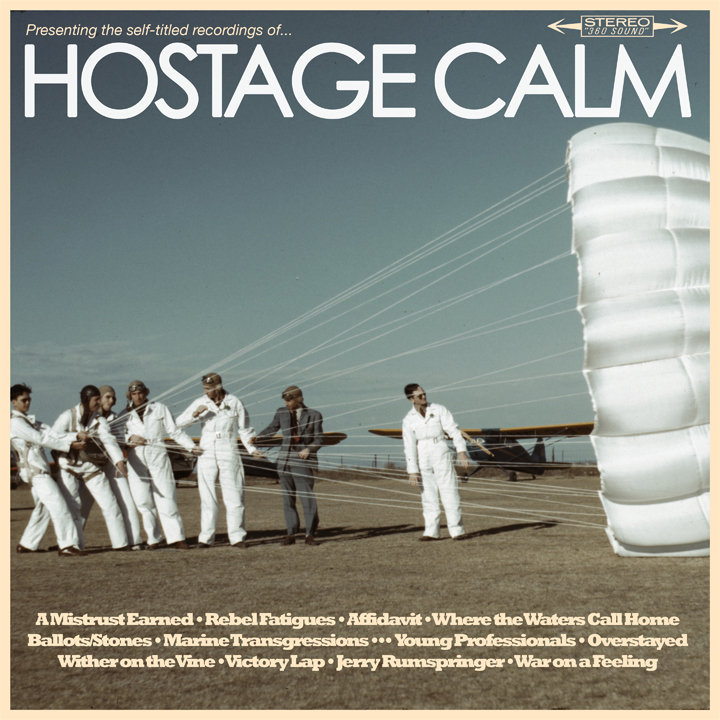
 View Artist