Song Meaning
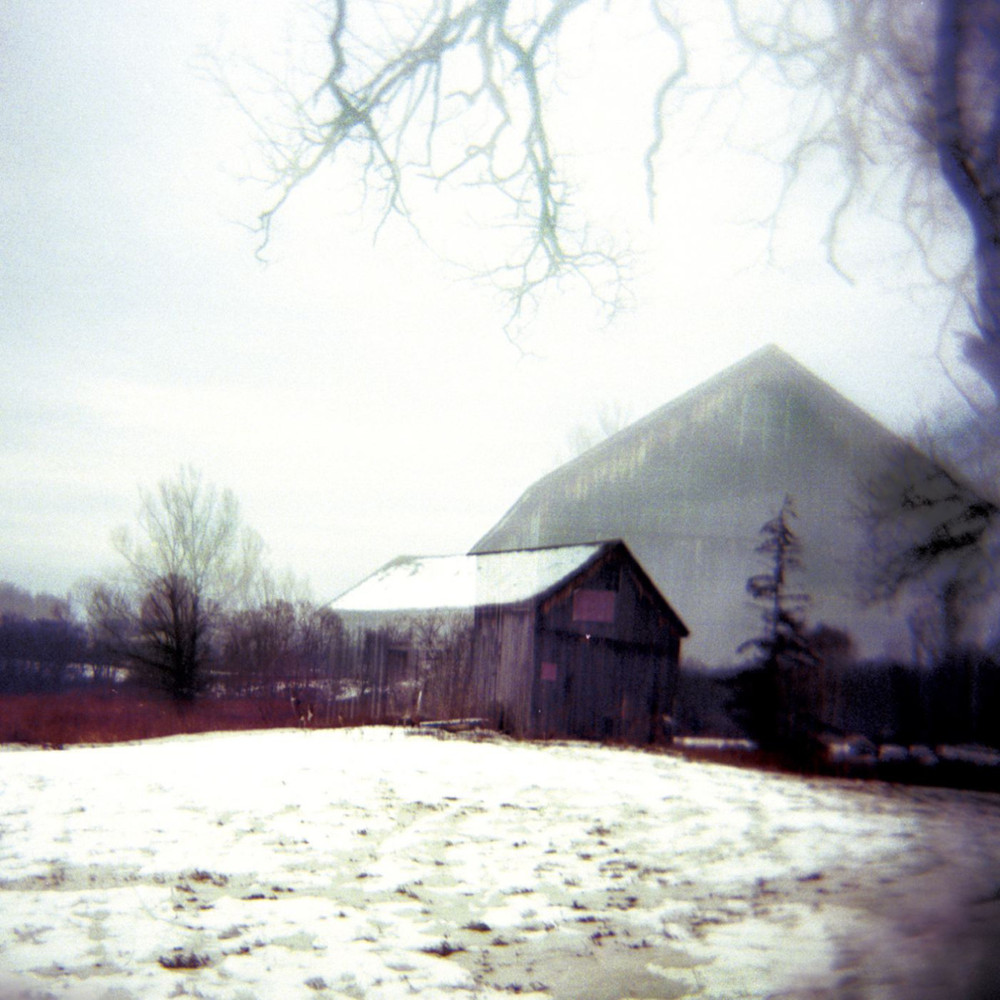
The lyrics paint a bleak picture of a "darkest spring" following winter, suggesting a cycle of despair. The opening lines "Lover of things / Won't you agree / How the winter could bring / The darkest spring?" immediately set a tone of disillusionment, questioning the natural order of renewal. This isn't about a literal season, but an emotional or familial landscape where hope seems absent.
The narrative seems to center on a strained familial relationship, possibly between a parent and child. Images of "hell on your face" and "dirt on the walls" evoke a sense of decay and conflict within a home environment, described as a place "you grew and complained." The "father of three" is introduced, and the lyrics ponder those "in between" and "the ones that are blamed," hinting at intergenerational strife and scapegoating.
The core tension lies in the feeling of being trapped and cursed. The phrase "cursed to believe" suggests a deep-seated, inherited cynicism or fatalism. This is powerfully illustrated by the metaphor "marrow without bone / To live in a house with no home," which captures a profound emptiness and lack of belonging. The image of the "son is the darkest seed / He crawls with the curs in the weeds" is particularly striking, portraying the child as tainted and struggling in a neglected, hostile environment.
The final exchange, "Only once, I'll call off the dogs, if you call off your guard," offers a fragile, conditional truce. It implies a history of suspicion and aggression, where protection is offered only in exchange for vulnerability. The repeated questions "Where had you gone? / Where had you been?" underscore a sense of loss, estrangement, and a desperate, perhaps futile, search for connection amidst the pervasive darkness.
 View Artist