Song Meaning
The narrator is desperately trying to escape a relationship that feels suffocating and controlling. There's a clear plea to be allowed personal autonomy, to exist as their true self, flaws and all, without judgment or manipulation. The phrase "I jus twant to be me, with everyhing it means" highlights a fundamental need for self-acceptance that the current dynamic denies.
This isn't just about a disagreement; it's framed as "emotional abuse," a powerful accusation that elevates the conflict beyond mere relationship strife. The repeated assertion that "this thing is no good it has no use" underscores the narrator's conviction that the relationship, in its current form, is destructive and without positive value. It’s a stark declaration that the current path is unsustainable and harmful to both parties.
The lyrics paint a picture of someone being policed in their choices, from "how to dress" to "how to behave." The feeling of not being "free to be me" is compounded by being "treated cold / And often left alone," suggesting a pattern of neglect and emotional distance that feels like a deliberate tactic. The narrator's assertion, "I deserve better than that," is a crucial turning point, signaling a newfound resolve to demand respect and better treatment.
The core of the song's impact lies in its directness and the stark contrast between the desire for love and the reality of "emotional abuse." The chorus hammers home the idea that this dynamic is a "game we're both gonna lose," framing the situation as a lose-lose scenario where continued emotional abuse offers no real victory for anyone involved. It’s this recognition of mutual destruction that makes the narrator’s plea for escape so urgent and resonant.
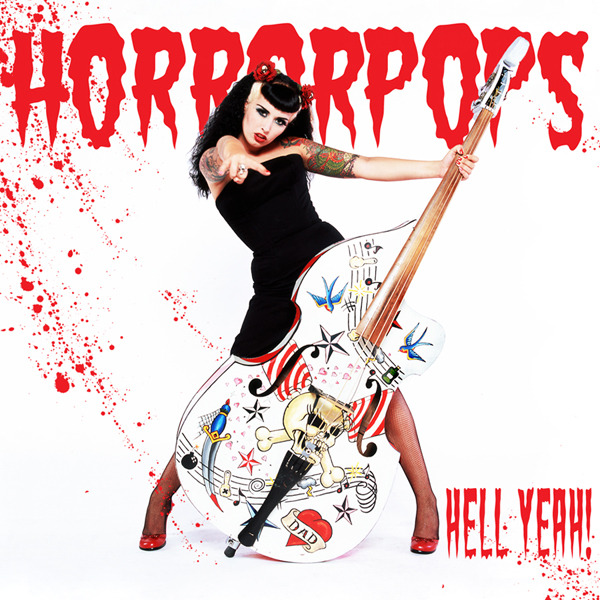
 View Artist