Song Meaning
The lyrics paint a scene of anticipation, likely around Christmas, with a childlike plea for "Ježíško" (Baby Jesus) to arrive. The repetition of "Príď Ježíško, prídi k nám, já ti vlásky pohladkám" establishes a tender, almost innocent desire for a visitor, contrasted with the more adult, slightly exasperated "Ticho, ticho, ticho, ticho, už ide, už ide…" which suggests a forced calm before an arrival.
The core tension emerges between the idealized, magical expectation of Christmas and a more pragmatic, perhaps cynical, reality. Phrases like "Čo robíte? Hrabe vám? Však najprv Vianoce a potom ligoce" and the abrupt, almost jarring "A na stoloch dobroty, nebuďme jak kokoti" hint at a disruption of the festive mood. The latter line, in particular, feels like a sudden, harsh intrusion into the sweetness, suggesting a struggle to maintain decorum or a genuine festive spirit.
The most striking element is the meta-commentary at the end, breaking the fourth wall. The dialogue "Ta posledná veta byla hrozná, Miško. Popracuj. Jasné" and "No nechcem vám brať ilúzie, ale ak s tým chceme zajtra vystupovať, máme, čo robiť" reveals the lyrics as part of a performance or rehearsal. This immediately reframes the preceding childlike innocence and festive imagery as something being constructed or performed, rather than a genuine expression of feeling, creating a layer of artifice.
This self-awareness is what makes the lyrics resonate. The juxtaposition of sweet, naive wishes with blunt criticism and the revelation of an artificial performance creates a complex emotional landscape. It suggests that even in moments meant to be pure and magical, there's an underlying awareness of the effort and perhaps the illusion involved, making the attempt at festivity feel both earnest and a little sad.
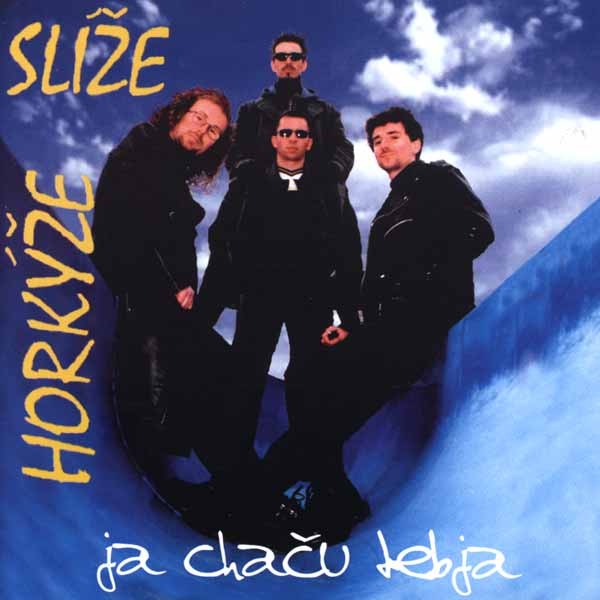
 View Artist