Song Meaning
This song posits the singer, the 'cantor,' as the vital force that animates life itself. The lyrics open with a stark declaration: 'Si se calla el cantor calla la vida' – if the singer falls silent, life itself falls silent. This isn't just about music; it's about the very essence of existence, which is described as 'todo un canto' (a whole song). Without this voice, hope, light, and joy are said to die of fright, suggesting a profound existential dread that accompanies the silencing of expression.
The central tension arises from the singer's role as a voice for the voiceless and oppressed. When the cantor is silent, the 'humildes gorriones de los diarios' (humble sparrows of the newspapers) are left alone, and laborers 'se persignan' (cross themselves), questioning who will fight for their wages. The lyrics explicitly ask what becomes of life if the singer doesn't speak up 'en las tribunas' (on the platforms) for those who suffer, particularly for the destitute who are 'sin manta' (without a blanket).
The most striking craft element is the consistent personification of abstract concepts and the elevation of the singer's role. The rose 'dies' if the singer is silent, and the song itself is meant to be 'luz sobre los campos' (light over the fields), illuminating 'a los de abajo' (those below). This framing positions the cantor not merely as an artist but as a moral and spiritual guide, a beacon against the 'maldad que oprime' (evil that oppresses) which thrives in silence. The lyrics reject cowardice, stating that singers 'no saben de agachadas' (don't know about bowing down) and 'no callarán jamás de frente al crimen' (will never be silent in the face of crime).
Ultimately, the power of these lyrics lies in their unwavering assertion of the singer's indispensable role in sustaining not just art, but the very fabric of a just and vibrant society. The repeated call for the cantor to remain vocal, to raise their 'grito' (cry) and let guitars 'desangren en la noche' (bleed in the night), paints a picture of a defiant, life-affirming struggle. It's a potent argument for the necessity of vocal expression, especially for those who champion the marginalized, suggesting that to silence the singer is to extinguish life's most essential flame.
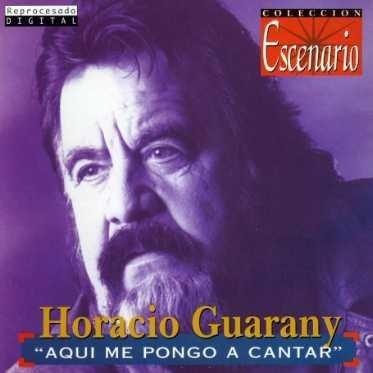
 View Artist