Song Meaning
The lyrics paint a vivid, almost violent, portrait of a "piel morena" (dark skin), contrasting its beauty with intense pain. It opens with "Piel morena, de azucena" (dark skin, of lily), immediately juxtaposing dark skin with the white purity of a lily. This beauty is then described as "Sombra de la madrugada" (shadow of dawn), suggesting a fleeting, perhaps melancholic, presence. The core tension emerges with "Rojo vivo, puñalada" (bright red, stab), a visceral image of bleeding and sharp pain, implying that this striking beauty is intrinsically linked to suffering, "Que das la vida por nada" (that gives life for nothing).
The narrator is clearly captivated, even tormented, by this figure. The streets are alive with her dance, yet she is also the "Terror de tembladerales" (terror of quagmires), a force that destabilizes and causes fear. The music itself, "Gime el parche, la comparsa" (the drumhead groans, the carnival group), seems to echo this anguish, as "Clavan tu piel mil puñales" (a thousand daggers pierce your skin). This recurring imagery of piercing and stabbing emphasizes a profound, inflicted hurt associated with the "piel morena."
The refrain, "Piel morena, de azucena / Quién te pudiera olvidar" (dark skin, of lily / Who could forget you), reveals the narrator's inability to escape the memory of this person and the associated "pena" (sorrow) from "la noche de tu carnaval" (the night of your carnival). The carnival setting, often associated with revelry, here becomes a backdrop for deep emotional wounds. The narrator's own "Tamboriles de la vida / Que vibran hasta sangrarme" (drums of life / That vibrate until they make me bleed) suggests that life itself, through this experience, has become a source of bleeding pain.
The final verse brings a somber conclusion: "Tras la mueca muere el corso / Llora en mi pecho el payaso" (Behind the grimace the parade dies / The clown cries in my chest). The festive facade crumbles, and the narrator feels the clown's sorrow, a poignant image of hidden grief. The direct address, "Ya no bailas, piel morena" (You no longer dance, dark skin), signifies a loss of vitality or joy, leaving behind a "Corazón hecho pedazos" (heart in pieces). The lyrics masterfully use sharp, contrasting imagery of beauty and violence, dance and pain, to convey a powerful sense of heartbreak and enduring suffering.
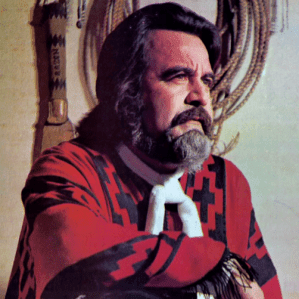
 View Artist