Song Meaning
This song lays bare a painful paradox: a deep, unwanted love that feels like a curse. The narrator is trapped, wishing they didn't have these feelings but acknowledging their overwhelming presence. It’s a desperate plea against an inescapable affection, painting love not as a joy but as a heavy, life-altering burden.
The central tension is the narrator's internal war against their own heart. They declare, "No quisiera quererte, pero te quiero" – a direct contradiction that sets the stage for their torment. This isn't a simple case of unrequited love; it's a love that causes desperation and a bizarre impulse to flee even as they yearn for the person's presence. The lyrics suggest a self-sabotaging cycle where proximity breeds anxiety, yet absence is unbearable.
The recurring motif of "castigo" (punishment) is striking, framing this intense feeling as a divine or fated affliction. Love is described as both "castigo" and "idolatría," a worshipful devotion that feels like a sentence. This elevates the emotional stakes, making the narrator’s suffering feel profound and almost sacred in its agony. The stark declaration, "Si vivo por tu amor, por tu amor muero," underscores the all-consuming nature of this unwanted attachment.
Ultimately, the effectiveness lies in this raw, unflinching portrayal of emotional captivity. The narrator isn't seeking resolution; they're simply articulating the unbearable weight of a love they can't escape and don't want. The "pobre canción de dolor" becomes their only solace, a testament to how art can be born from the deepest, most conflicted suffering.
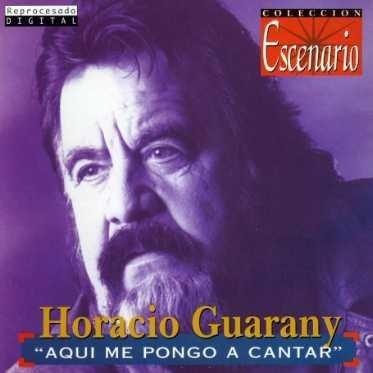
 View Artist