Song Meaning
The lyrics paint a stark picture of inevitable decline for the stagnant, contrasting it with a desperate, solitary flight. "Caballo que no galopa / Va derecho al pisadero" sets a tone of consequence: inaction leads directly to ruin, a place of being broken down. This is mirrored by the grim fate of the one "tapa la muerte," heading "derechito al invierno," suggesting a final, cold end.
The core tension emerges in the repeated image of solitary, galloping movement, "Andar solo y galopando." This isn't a triumphant charge, but a flight tinged with pain, "Con el alma dolorida," and a sense of being lost, "Como quien se va perdiendo." The narrator hides his sorrow, "Las lágrimas bajo el poncho," because "no es de hombre llorar," revealing a deep internal conflict between outward stoicism and inner suffering.
The refrain, "Mi caballito querido / Ésta te pido nomás / Nos han echado los perros / Pero no me han de alcanzar," shifts the perspective to a plea and a defiant assertion. The narrator addresses his mount, acknowledging they are pursued ("echado los perros") but vowing not to be caught. This adds a layer of urgency and resilience to the earlier imagery of painful, solitary movement.
Ultimately, the lyrics resonate through this blend of fatalism and determined escape. The narrator, a "jinete de la noche," gallops towards an uncertain dawn, carrying his pain and his guitar, a symbol of his art and identity. His plea is not for safety, but for remembrance from his homeland, suggesting that even in flight, connection and legacy are paramount.
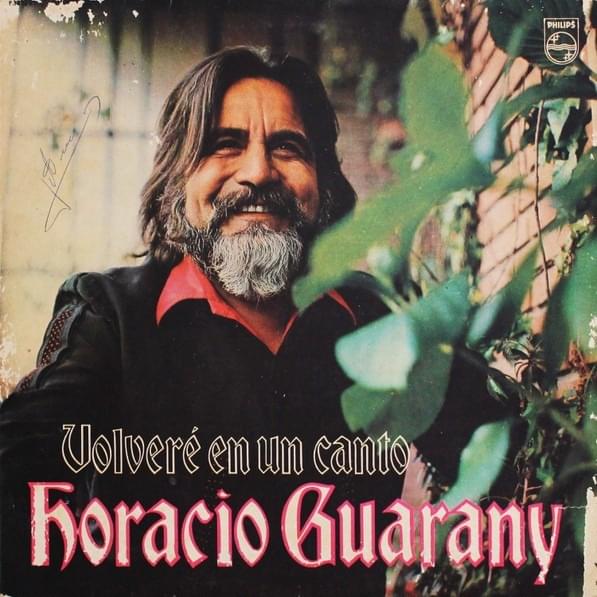
 View Artist