Song Meaning
The lyrics paint a stark picture of unrequited desire, focusing on a narrator who feels overshadowed by someone else's popularity. The opening lines immediately establish a sense of longing and inadequacy, with the narrator wishing their object of affection were the more desirable "him." This "him" is presented as universally wanted, making the narrator feel like a mere "shadow" or the "newt best thing" – a consolation prize.
The core of the song's emotional weight lies in the narrator's confused understanding of love and connection. The repeated refrain, "When you say love / I hardly know the difference," suggests a deep-seated inability to distinguish genuine affection from something less substantial. This blurred perception allows them to "forgive the distance," implying a willingness to accept a flawed or incomplete relationship because it feels "close enough."
The central metaphor of the "identical twin" is where the craft truly shines. The narrator addresses this twin directly, acknowledging a superficial sameness "under the skin" but recognizing a fundamental difference that fuels their longing. This twin is the reason the narrator "want[s] him more" and, paradoxically, the only reason they feel "his at all." The twin becomes a catalyst, highlighting the narrator's own perceived deficiencies and intensifying their desire for the unattainable "him."
Ultimately, these lyrics resonate because they articulate a painful, relatable experience of feeling second-best and struggling with the definition of love. The writing masterfully uses the "identical twin" to externalize the narrator's internal conflict, making the abstract feeling of inadequacy tangible and the desperate pursuit of a connection, however imperfect, deeply felt.
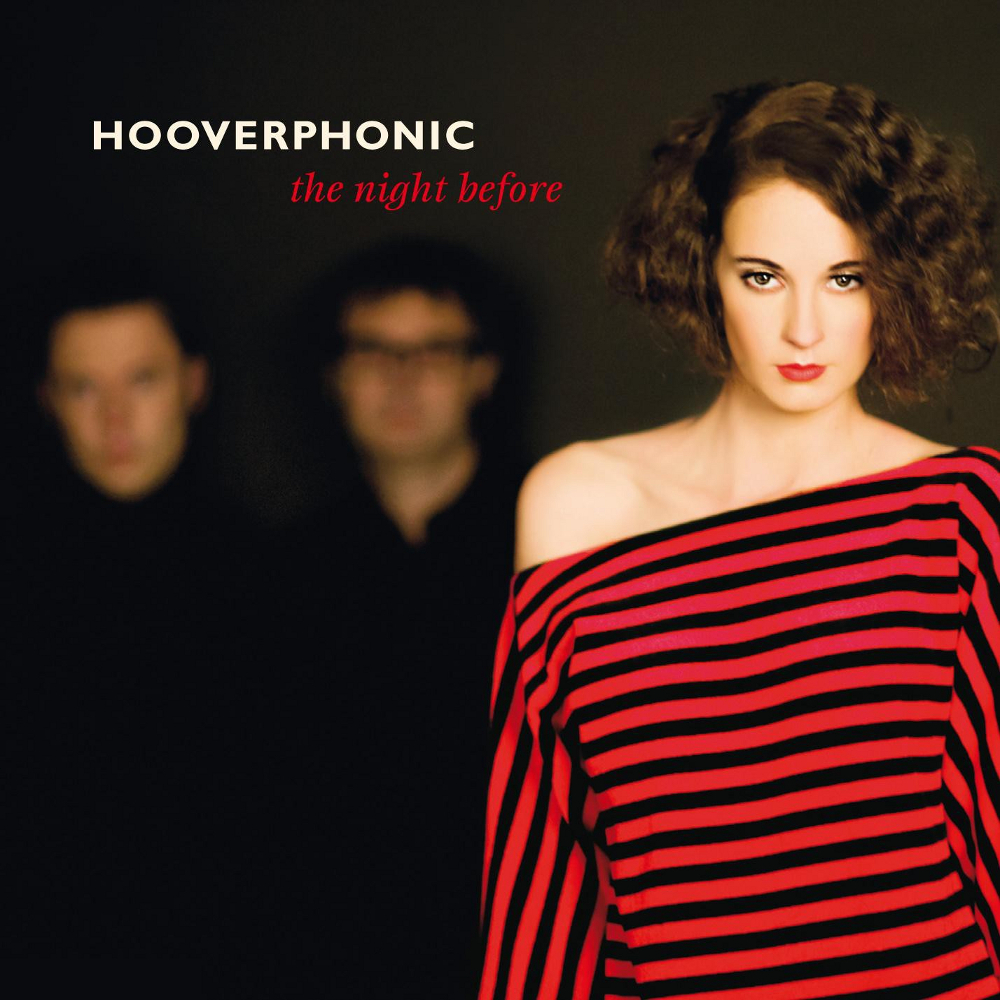
 View Artist