Song Meaning
The narrator is a persistent presence, announcing their arrival before any physical action is taken. The repeated phrase "Know that it's me at the door / Before you answer" establishes an almost telepathic connection, or perhaps a deeply ingrained pattern of behavior. This isn't just knocking; it's an announcement of self that precedes any external cue, suggesting a history and an expectation tied to their presence. The "creak in the floor" adds a sensory detail, grounding this pre-emptive recognition in a tangible, familiar sound.
There's a palpable tension between the idea of shared destiny and a potential external conflict. "Everything aligns for you and I cross way" hints at a fated connection, a moment where paths converge with significant consequences, described as "Changing our lives, fortune flies." However, this is immediately undercut by the stark command, "Don't put them over her," introducing a third party and a possessive, protective dynamic. This suggests the narrator's arrival, while perhaps aligned with fate, is also a challenge or a plea concerning another person.
The lyrics skillfully weave together the intimate and the unsettling. The repetition of the arrival motif creates a sense of inevitability, but the later lines, "Don't really think it's a home / Only affluence," inject a profound disillusionment. The narrator seems to recognize a superficiality in the environment, a place defined by wealth rather than genuine connection. This contrast between the perceived alignment of destinies and the hollowness of the setting creates a poignant emotional landscape, where external circumstances don't equate to internal fulfillment.
Ultimately, the effectiveness of these lyrics lies in their ability to evoke a complex emotional state through simple, repeated imagery and a sharp, unresolved conflict. The narrator's insistent presence at the door, coupled with the underlying anxiety about another person and the critique of the environment, paints a picture of someone navigating a deeply uncertain personal landscape. The "jangling keys" become more than just a sound; they represent the weight of this persistent, perhaps unwelcome, arrival.
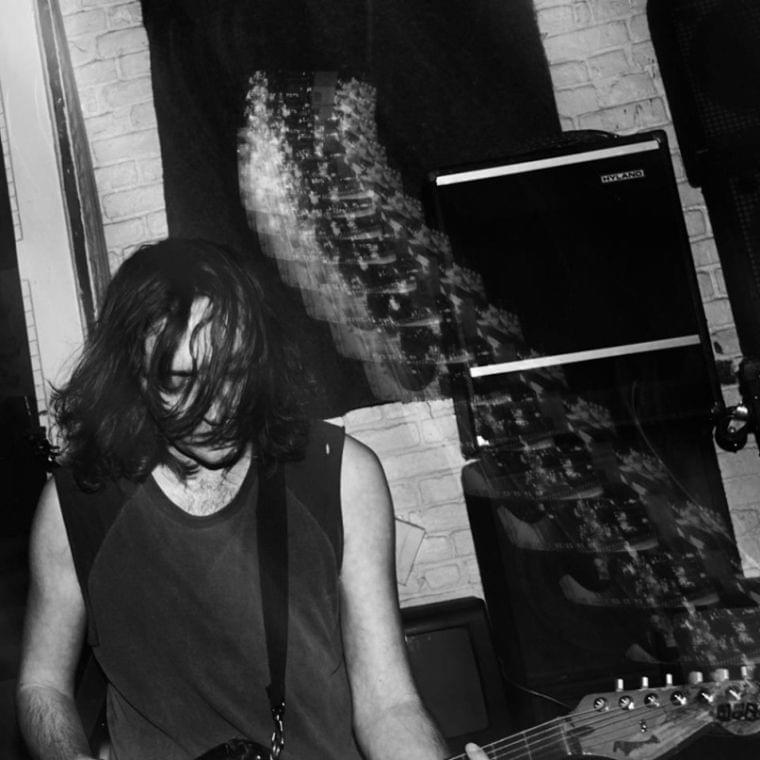
 View Artist