Song Meaning
The lyrics paint a picture of a tense interaction between Tracy and David, set against the backdrop of Christmas. Tracy is consumed by anger, dismissing David's attempts to placate her with observations about ill winds and the holiday. Her focus is singular and repetitive: "Tojo never made it to Darwin." This phrase, repeated like a mantra, seems to represent a deep-seated grievance or a point of fixation that overrides any present comfort or distraction. David, meanwhile, is left trying to understand and perhaps soothe her, but ultimately finds himself unable to prevent her departure.
The central tension arises from Tracy's unyielding anger and her fixation on the "Tojo" narrative, which she uses to shut down David's attempts at connection and celebration. David's plea, "This is Christmas, honey," highlights the stark contrast between his desire for a festive, shared moment and Tracy's internal turmoil. Her insistent repetition of the "Tojo" line suggests it's a powerful, perhaps symbolic, statement of failure or loss that she cannot let go of, driving her to "blow" and leave.
The most striking craft element is the persistent, almost haunting refrain about "Tojo never made it to Darwin." This phrase functions as a non-sequitur in the immediate conversation, yet it clearly holds immense weight for Tracy. Its repetition, especially after she leaves ("Now she's gone, gone, gone / Just like the wind"), transforms it into an echo of her absence and her unresolved emotional state. The final line, "That year Santa never came," further amplifies this sense of disappointment and absence, linking Tracy's departure and her fixation to a broader theme of unfulfilled expectations or a lost sense of magic.
These lyrics are effective because they capture a specific, raw emotional disconnect. The ambiguity of the "Tojo" reference allows it to resonate as a potent symbol of personal failure or a historical wound that dictates present actions. The contrast between David's grounded, albeit unsuccessful, attempts at reconciliation and Tracy's singular, almost ritualistic pronouncements creates a palpable sense of frustration and loss. The lingering echo of the refrain and the final, bleak image of a Santa-less Christmas leave the listener with a profound sense of unresolved sorrow and the impact of unspoken burdens.
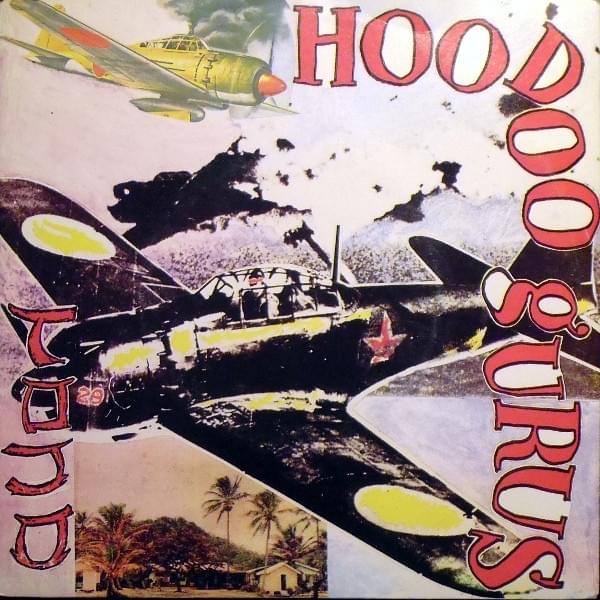
 View Artist