Song Meaning
The lyrics paint a picture of a relationship teetering on the edge of dissolution, marked by a profound sense of unfulfillment. The opening lines, "Don't be late 'cause I can't hold on forever" and "You deserve everything you have left," immediately establish a fragile dynamic where patience is wearing thin and a sense of resignation is setting in. The narrator seems to be offering a final, almost begrudging, acknowledgment of the other person's remaining worth, hinting at an impending departure.
The central tension lies in the contrast between what was and what is, encapsulated by the repeated refrain: "I was like the cup of rain / That came to cover up the spring / And you were almost everything / And I was vaguely satisfied." This imagery suggests a fleeting, perhaps even destructive, presence – rain that covers the vibrant spring, implying a dampening or obscuring effect rather than nurturing growth. The phrase "almost everything" is key, highlighting the persistent gap between potential and reality, leading to a state of "vaguely satisfied" that is more a description of being just enough to endure, rather than truly content.
The most striking aspect of the craft is the persistent, almost hypnotic repetition of the rain-and-spring metaphor and the resulting feeling of being "vaguely satisfied." This repetition underscores the cyclical nature of the narrator's disappointment and the stagnant emotional state. The shift in the second verse, "Fine, I'll go, but just don't look back forever / You might know, so lay your small words between us," introduces a more active decision to leave, yet it's still tinged with a passive-aggressive plea for distance and a quiet dismissal of the other's communication as "small words."
Ultimately, the effectiveness of these lyrics stems from their understated portrayal of deep dissatisfaction. The narrator isn't screaming in anguish; they are quietly observing the inadequacy of a relationship that was close but never quite enough. The "vaguely satisfied" state is a powerful, relatable descriptor for those moments when something is present but fundamentally lacking, creating a lingering sense of what could have been.
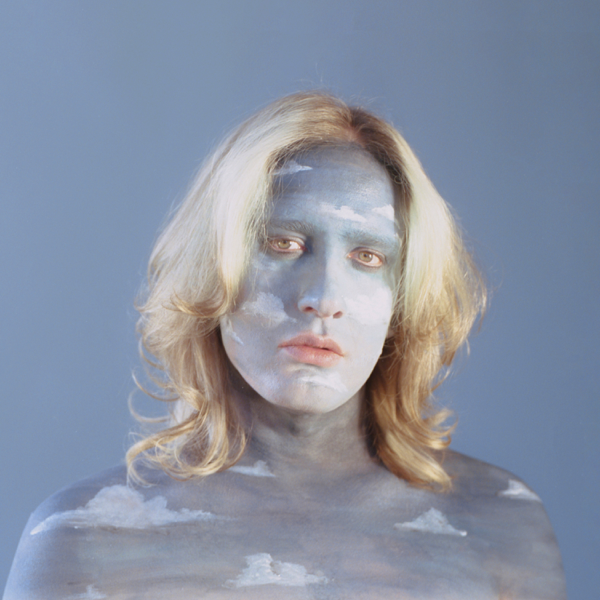
 View Artist