Song Meaning
The narrator describes a domestic scene that feels eerily detached, almost staged. They're watching a TV show called "Chance Meetings" while their partner's "heart stop[s] beating," a chilling image that suggests a profound emotional shutdown or even death, juxtaposed with the mundane act of turning on the television. The "slow car chases" on screen become a proxy for the couple's own stagnant lives, followed "like breathing" as a substitute for genuine connection or conversation. This sets a tone of passive observation and emotional distance, where shared reality is mediated entirely by the screen.
The core tension lies in the narrator's perceived insight versus the partner's resistance. The repeated phrase "I see through you / Never again" acts as a declaration of finality, a severing of illusion. Yet, the subsequent lines about "year old news" and a "huge success" being "hang[ed] on the wall" hint at a history of disappointment and perhaps a superficial achievement that fails to satisfy. The narrator seems to be confronting a past failure or a hollow victory, leading to this point of absolute rejection.
The most striking craft element is the narrator's intrusive mental control. They declare, "I get to thinking for you and for you and for you," positioning themselves as the sole arbiter of thought and feeling within this "happy house." This possessive, almost dictatorial stance is amplified by the partner's perceived irrationality: "You must be crazy / To give up something like this." The narrator frames their own invasive control as a necessary act, a way to manage the partner's supposed misguided desires and maintain their own version of reality.
This disconnect between the narrator's perceived clarity and the partner's implied distress creates a potent sense of unease. The lyrics are effective because they capture the claustrophobia of a relationship where one person's reality has become the only one that matters, reducing the other to a passive, unthinking object. The "happy house" is revealed not as a sanctuary, but as a prison of the narrator's making, enforced by a chillingly calm, controlling gaze.
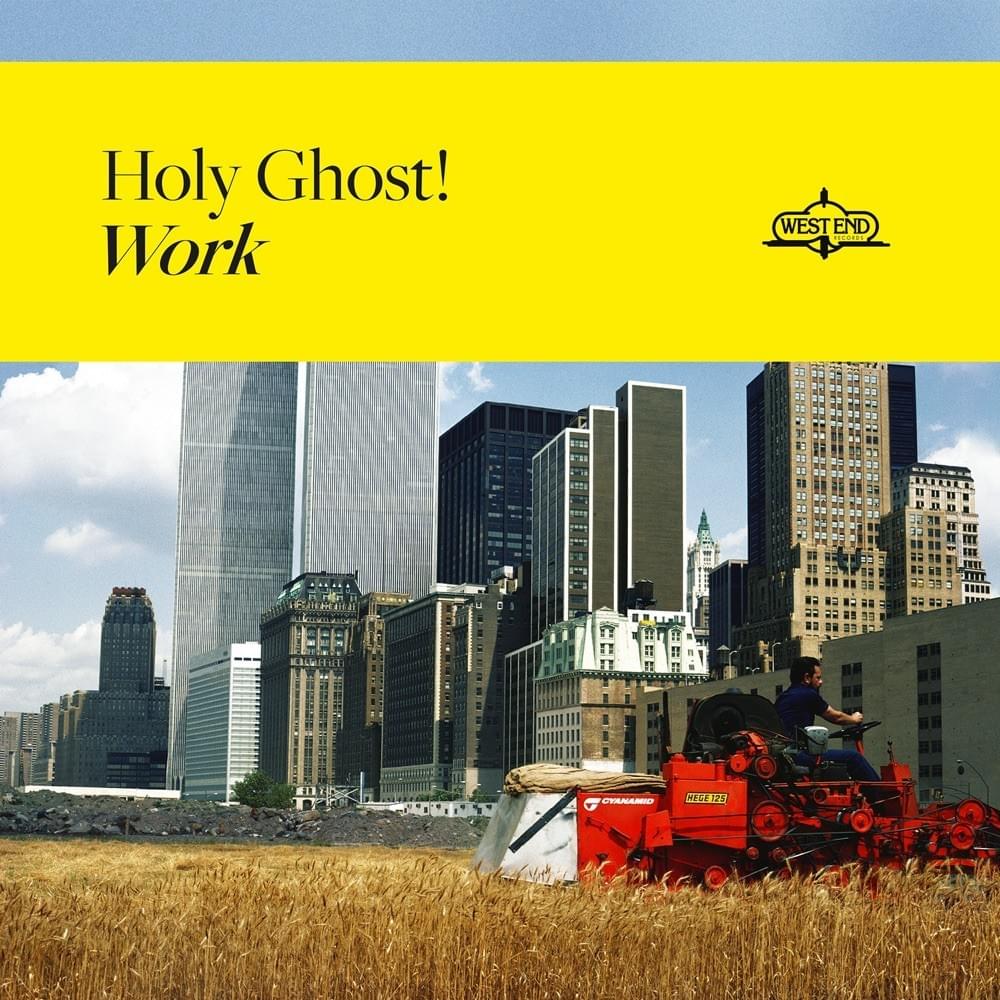
 View Artist