Song Meaning
These lyrics open with a conditional hope: the speaker might "find my way" if everyone commits to listening and honesty. It's a direct, almost prayer-like plea, immediately establishing a sense of shared responsibility in navigating an uncertain path.
The central tension here lies in the urgent call for collective honesty against a backdrop of shared human fallibility. The repeated refrain, "Be honest now / We all mess up," acknowledges a universal imperfection, yet insists on transparency as a prerequisite for progress. This plea is made even more pressing by the ominous, recurring image of "the sea goes rising up," suggesting an impending crisis that demands immediate, truthful engagement.
A striking contrast emerges between this present urgency and a nostalgic past. The lines "We had seen better days / Up the river, in the shade" paint a vivid picture of a tranquil, perhaps lost, idyllic time. Images of being laid "down in the tall grass / By the farmhouse in the day" evoke a pastoral peace, sharply juxtaposed with the encroaching threat of the rising sea. This shift in imagery amplifies the stakes, hinting at what stands to be lost if the call for honesty goes unheeded.
The power of these lyrics lies in their insistent repetition and the subtle shift in perspective. What begins as an individual's hope for finding "my way" expands to include "you" finding "your way home safely yet," before culminating in the unexpected, intimate declaration: "You're the be-all of this town." This final line re-frames the entire plea, suggesting that the collective well-being, and perhaps even the very survival of the community, hinges on this specific "you" and their response to the call for honesty.
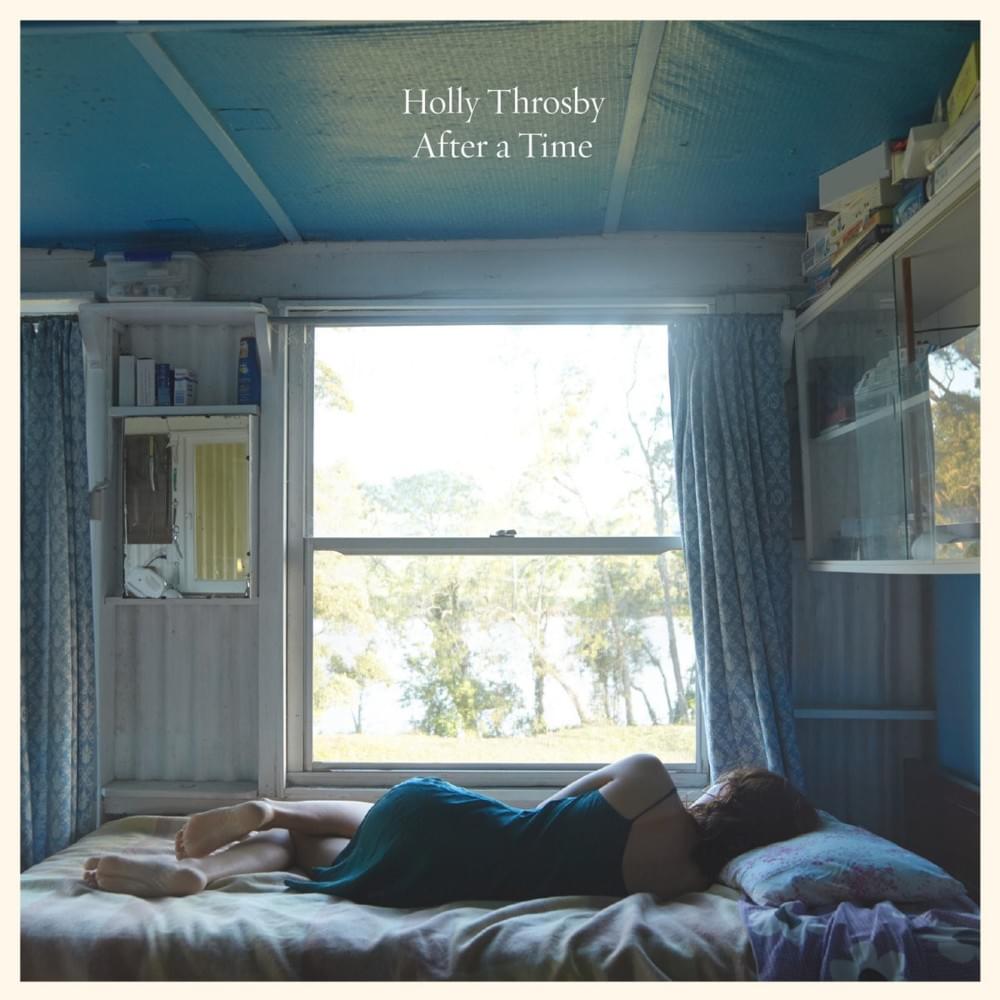
 View Artist