Song Meaning
Holly Near's "No Loss of Pride" isn't just a song; it's a weary truce declared on the battlefield of intimacy. The opening lines aren't a celebration, but a sigh of exhaustion: "I don't want to fight with you anymore / My time has come for resting." It's the sound of someone realizing that the war of attrition waged against a loved one is ultimately self-defeating, a drain on the very emotional reserves needed to sustain connection. The core of the song meaning hinges on the paradox of vulnerability. Near acknowledges the destructive impulse to lash out, confessing, "I fear I strike out at the closest thing to me / And it's not always the best thing for me." This isn't about excusing bad behavior, but rather a brutally honest appraisal of the self-sabotaging patterns that plague relationships. The admission that "You are not, you are not my enemy" is a crucial turning point, a conscious rejection of the adversarial stance that has defined the dynamic.
The lyrics subtly dissect the messy mechanics of conflict. Near highlights the petty retaliations—airing grievances to mutual acquaintances, a passive-aggressive dance designed to inflict pain. "Going down the list of times that you hurt me so / Telling friends who I know will run to tell you / So you'll know." This is the stuff of everyday relationship dysfunction, the accumulation of resentments that calcify into seemingly insurmountable barriers. The recognition that "We're bringing each other pain" is a step towards breaking the cycle, even if the path forward remains uncertain.
Ultimately, "No Loss of Pride" is a plea for a different kind of connection, one that allows for both closeness and autonomy. The singer seeks a space "where we can be together when our paths cross / And still have room to stay apart." This isn't about erasing differences or pretending that wounds haven't been inflicted. Instead, it's an appeal for a relationship built on mutual respect and acceptance, even in the face of ongoing disagreements. The acknowledgement that "Our battles may remain / I know our differences are still the same" suggests a mature understanding that conflict is an inevitable part of human interaction, but it doesn't have to define the entire relationship. It's about choosing peace, not as a surrender, but as a conscious act of self-preservation and a testament to the enduring power of love.
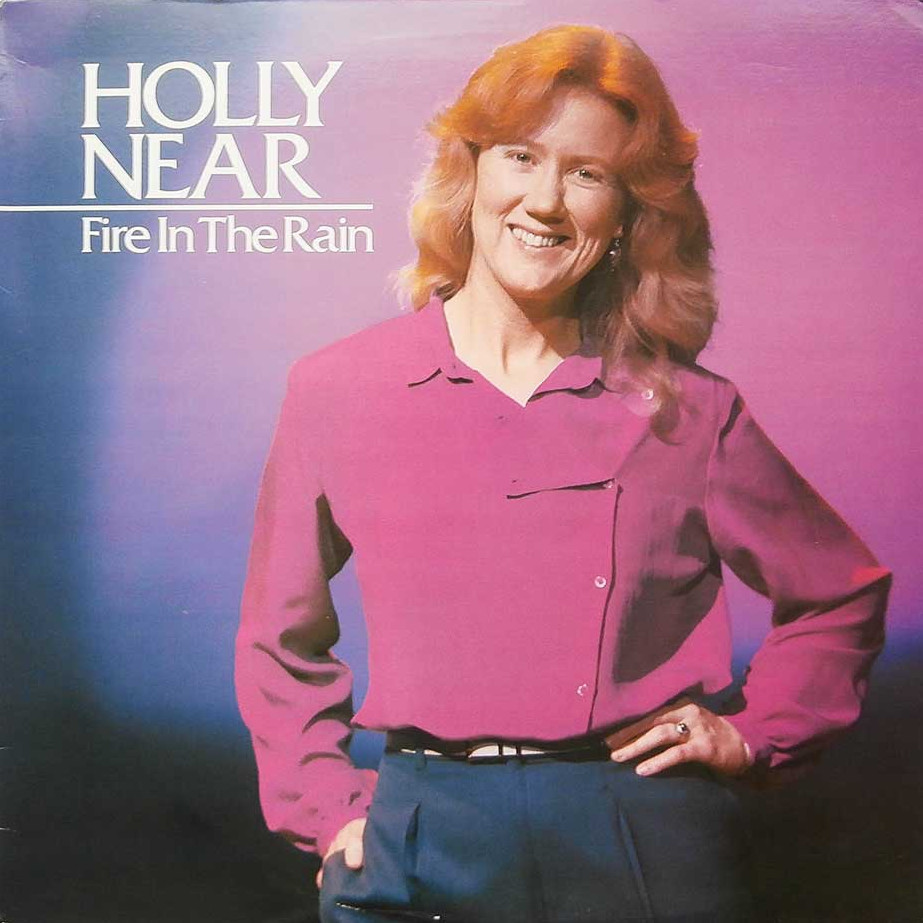
 View Artist