Song Meaning
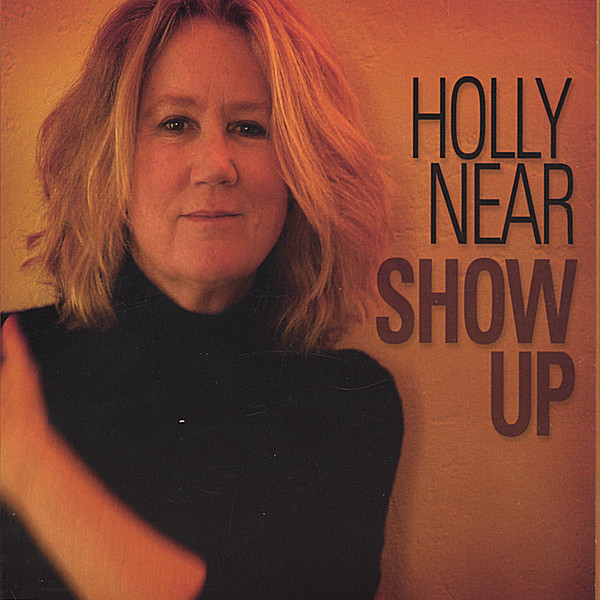
Holly Near's rendition of "Drunken Sailor" isn't a sea shanty; it's a harrowing dispatch from the front lines of addiction and codependency. Stripped of its boisterous sing-along origins, the song becomes a raw, painfully intimate portrait of someone battling substance abuse, viewed through the eyes of a loved one teetering on the edge of exhaustion and despair. The repeated question, "What shall we do with the drunken sailor," morphs from a playful query into a desperate plea for intervention, a search for any viable solution to a seemingly intractable problem.
Near doesn't shy away from the brutal realities of addiction's impact. The lyrics acknowledge the toll on everyone involved: the sailor's self-destruction, the children's longing, and the narrator's agonizing helplessness. Phrases like "disease will take you down in stages" and "watching a drowning in the making" paint a vivid picture of slow-motion tragedy. The line, "Loving this much has got me grieving," encapsulates the unique burden of codependency – the constant emotional drain of trying to save someone who may not want to be saved. There's a subtle but significant shift from enabling to recognizing the gravity of the situation, hinting at the narrator's journey toward setting boundaries.
However, the song offers a glimmer of hope amidst the darkness. The acknowledgment that "the drunken sailor is not to blame" suggests a move away from personal recrimination towards understanding the systemic nature of addiction. The final verse, "when we asked for help millions came, and it was a brand new morning," speaks to the power of collective action and the possibility of recovery. It's a testament to the importance of seeking help and the potential for transformation, even in the face of seemingly insurmountable odds. The song's power lies in its unflinching honesty and its refusal to offer easy answers, instead, presenting a complex and nuanced view of addiction and its ripple effects.
 View Artist