Song Meaning
Holly Near's "Ain't No Where You Can Run" isn't just a protest song; it's a stark psychological reckoning with existential dread. The lyrics dismantle the illusion of escape, hammering home a chilling truth: in the face of nuclear annihilation or slow environmental poisoning, geographic relocation is futile. The repeated mantra, "There ain't no where you can run," becomes a haunting echo of powerlessness, stripping away the listener's agency and forcing a confrontation with mortality. The initial verses, referencing fleeing to California or Spain, highlight the common (and ultimately naive) impulse to seek refuge, a psychological defense mechanism against overwhelming anxiety.
Near doesn't stop at geographical escape. She skewers spiritual bypass too, dismissing both "handing out flowers in airports" (pacifism without action) and "stay[ing] on your knees and pray[ing]" (passive reliance on divine intervention). These lines suggest a critique of approaches that avoid direct engagement with the problem. The true horror lies not just in the immediate blast but in the insidious, pervasive nature of nuclear threat. "It gets into the blood of the workers...after thousands of years in containers, it still remains" evokes the slow violence of radiation, a generational curse that seeps into the very fabric of society. This aspect shifts the focus from a singular event to a continuous state of contamination, both literal and metaphorical.
The song’s genius lies in its ability to tap into primal fears. "It can get you on the top of a mountain, or it can ooze under prison doors" paints a picture of inescapable contamination, regardless of social status or physical location. It transcends political rhetoric, delving into the psychological impact of living under constant threat. The final lines, contrasting "kill[ing] us slow in a lifetime" with a "fast…nuclear war," present a grim choice between prolonged suffering and sudden destruction. "Ain't No Where You Can Run" ultimately functions as a call to awareness, urging listeners to confront the uncomfortable reality of their vulnerability rather than succumb to denial or false hope.
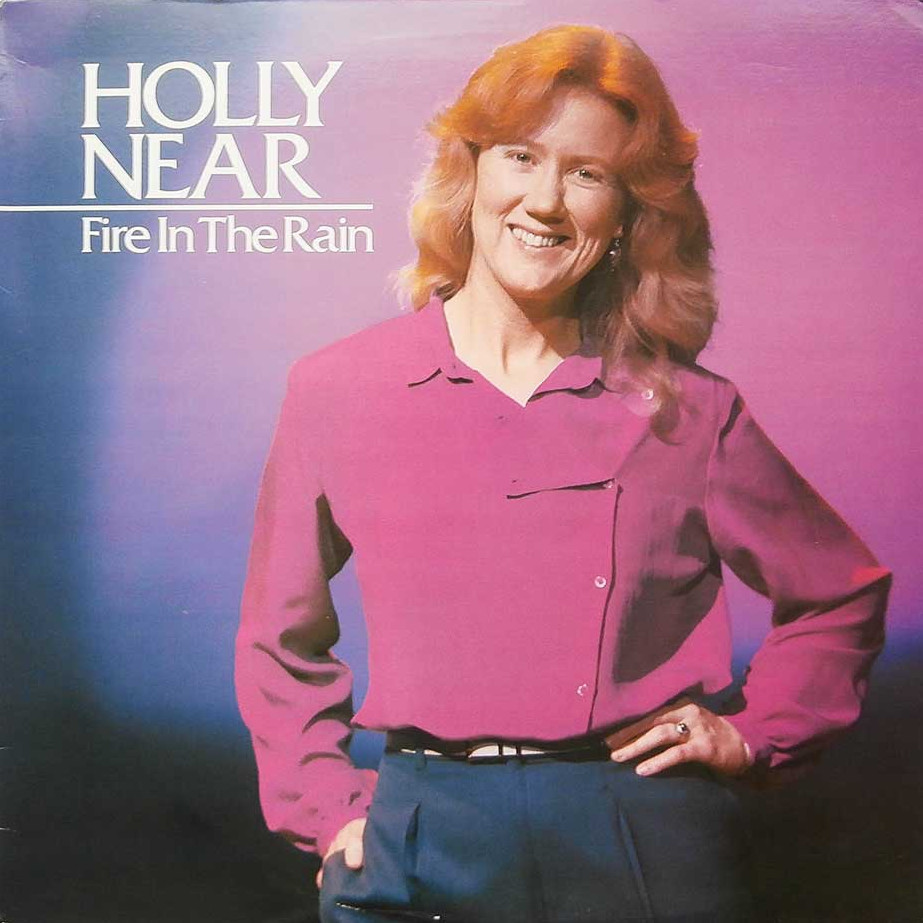
 View Artist