Song Meaning
The lyrics paint a picture of a quiet, introspective morning tinged with disappointment. The narrator wakes to a "lazy day" and a "cold" floor, immediately setting a subdued mood. A glance out the window reveals "raining today," a stark contrast to the "sun" they desired, but they resign themselves to being "okay." This initial scene establishes a gentle melancholy, a quiet acceptance of less-than-ideal circumstances.
The core emotional tension emerges from the act of waiting. The narrator explicitly states, "It's the saddest thing, when I wait for you." This waiting isn't just passive; it's tied to a specific person, as evidenced by the thought of "your big brown eyes" and the act of "sing for you." The desire for sun is a metaphor for the desired presence of this person, and their absence makes even a "lazy day" feel profoundly sad.
The most striking craft element is the juxtaposition of external weather with internal feeling. The rain, a classic symbol of sadness, mirrors the narrator's mood, but the lyrics also present a deliberate choice: "I wanted sun, but I'll be okay." This isn't a dramatic breakdown, but a quiet, persistent sadness that colors the entire day. The repeated phrase "I wait for you" acts as a refrain, reinforcing the central theme and the lingering ache of absence.
Ultimately, the effectiveness of these lyrics lies in their understated portrayal of longing. The narrator isn't demanding or despairing; they are simply observing their own quiet sadness. The simple, almost childlike "Da da da" interlude further emphasizes a sense of wistful, unfulfilled anticipation. It captures that specific, hollow feeling when a day's potential is dimmed by the absence of someone important, making the mundane feel heavy with unspoken emotion.
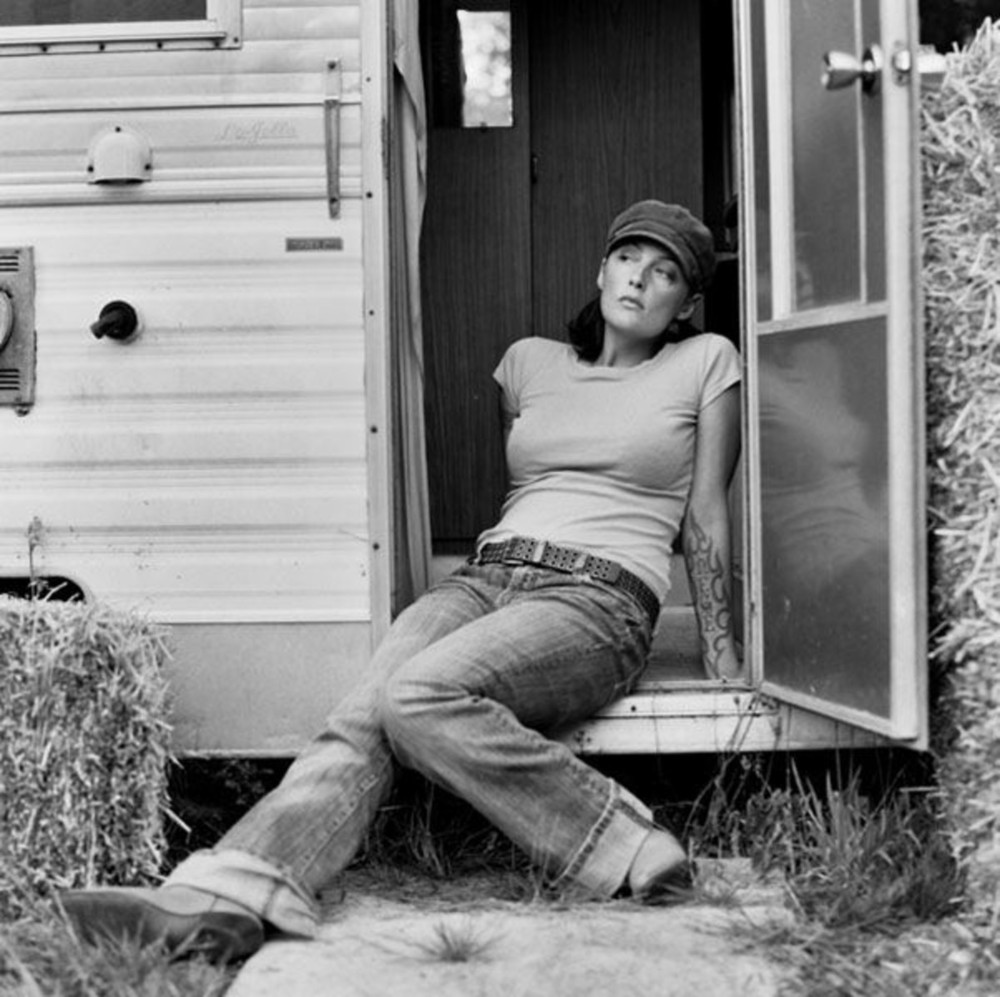
 View Artist