Song Meaning
The lyrics paint a stark picture of fading memory and the inevitable decay of connection. The initial lines establish a sense of loss, where once-clear words now only exist as faint echoes in the darkness. This isn't just about forgetting; it's about the tangible evidence of time passing, like the "lines on my face" that are no longer recognized by a touch that once knew them intimately. The reflection is fading, mirroring the erosion of shared history and personal identity.
The core tension here is the struggle against this dissolution. The narrator's thoughts "re-arrange," turning the familiar into something alien, a disorienting experience that feels like their very being is scattering. This internal shift is amplified by the cyclical imagery of seasons, where even the promise of spring's rain or the pain of winter eventually gives way to an ending. The lyrics suggest a profound sense of helplessness in the face of this natural, yet devastating, progression.
The most striking craft element is the relentless repetition of "There's an end." This isn't a gentle acknowledgment; it's a hammering insistence, a mantra of finality that underscores the inescapable nature of loss and change. The earlier imagery of disappearing words and fading reflections builds towards this stark declaration, making the repeated phrase feel less like a conclusion and more like a raw, exposed nerve. It’s the sonic embodiment of resignation, a quiet surrender to the inevitable.
What makes these lyrics hit so hard is their unflinching gaze at impermanence. By grounding the abstract concept of loss in concrete images like "lines on my face" and the sensory experience of words becoming "echoes," the writing creates a visceral sense of fading. The cyclical structure, bookended by the repetition of "There's an end," reinforces the feeling that this process is both natural and utterly devastating, leaving the listener with a profound sense of what it means to witness things, and oneself, slip away.
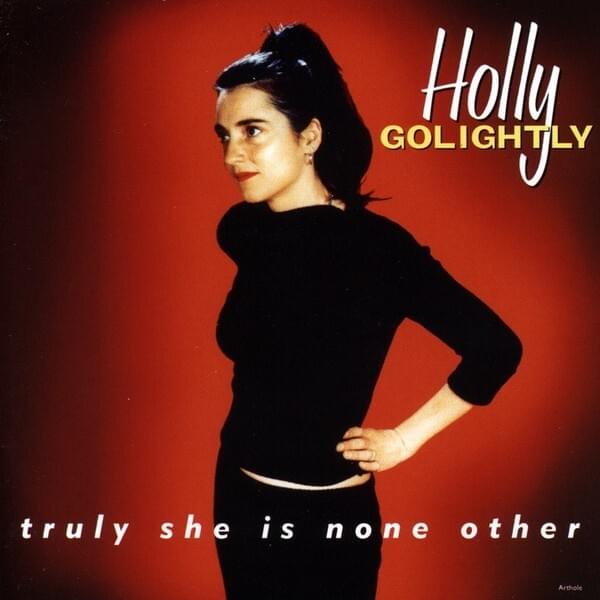
 View Artist