Song Meaning
The lyrics paint a picture of someone who's lost their way, clinging to past glory. The narrator observes a stark contrast between the subject's current state and their former self, noting a diminished capacity or presence. Phrases like "only half the man you used to be" and "only half of that man" hammer home this sense of decline, suggesting a significant loss of stature or character. The repetition of "falling at your feet" and "eating from your hand" initially sounds like a boast, but the context immediately undercuts it, revealing it as a hollow echo of past influence.
The central tension arises from this disconnect between outward perception and internal reality. The subject seems to be living in a delusion, perhaps believing they still command the same respect or possess the same power they once did. The repeated refrain, "And it's all in your head," serves as a blunt diagnosis, pointing to a self-deception that prevents the subject from acknowledging their diminished circumstances. The narrator's repeated instruction to "Look out of your window" and "Look at yourself" is a plea for objective self-assessment, a call to confront the unchanging reality outside and within.
The most striking element is the relentless repetition of "And it's all in your head." This isn't just a casual observation; it's an insistent, almost exasperated dismissal of the subject's perceived status. The phrase acts as a wall, blocking any genuine self-awareness and trapping the subject in their own mental landscape. The lyrics suggest that the subject's perceived power and the admiration they believe they still receive are entirely constructs of their own mind, disconnected from any tangible evidence.
This lyrical construction is effective because it creates a palpable sense of pity and frustration. The narrator isn't necessarily angry, but rather resigned to the subject's self-imposed blindness. The stark, almost clinical repetition of the core idea forces the listener to confront the futility of the subject's situation. It’s a sharp, concise portrait of someone trapped by their own ego, unable to see the truth staring them in the face.
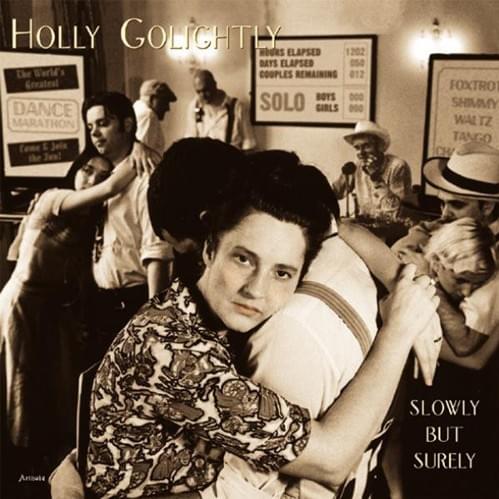
 View Artist