Song Meaning
The lyrics paint a stark picture of isolation as friends and acquaintances pack up and head for sunnier prospects, leaving the narrator behind. The town itself is depicted as a place of stagnation, a drain on time and potential. This initial scene of abandonment sets a somber mood, highlighting a feeling of being left behind while others pursue a better life, presumably in Los Angeles. The repeated phrase "Everybody's leaving town" emphasizes the narrator's solitary predicament.
This sense of being stuck is amplified by the introduction of "Good time Charlie," a figure who, despite his name, is clearly suffering. The chorus juxtaposes the inevitability of winners and losers with Charlie's pervasive sadness, suggesting that even those who might be expected to enjoy life are succumbing to despair. It's a poignant observation that the pursuit of good times doesn't guarantee happiness, and that blues can afflict anyone, regardless of their outward persona.
The third verse introduces a more personal and existential dread. The narrator confronts his own age, "not a kid at thirty-three," and the consequences of his actions. The stark warning, "Play around, you lose your wife; You play too hard, you lose your life," suggests a life lived on the edge, where reckless choices carry severe repercussions. This internal conflict between a desire for enjoyment and the fear of ruin adds a layer of complexity to the narrator's blues.
Ultimately, the effectiveness of these lyrics lies in their directness and relatable portrayal of disillusionment. The contrast between the exodus to L.A. and Charlie's internal state, coupled with the narrator's own anxieties about aging and consequence, creates a powerful emotional resonance. The simple, repetitive chorus acts as a mournful refrain, solidifying the pervasive feeling that no matter the external circumstances or personal pursuits, a deep-seated sadness can prevail.
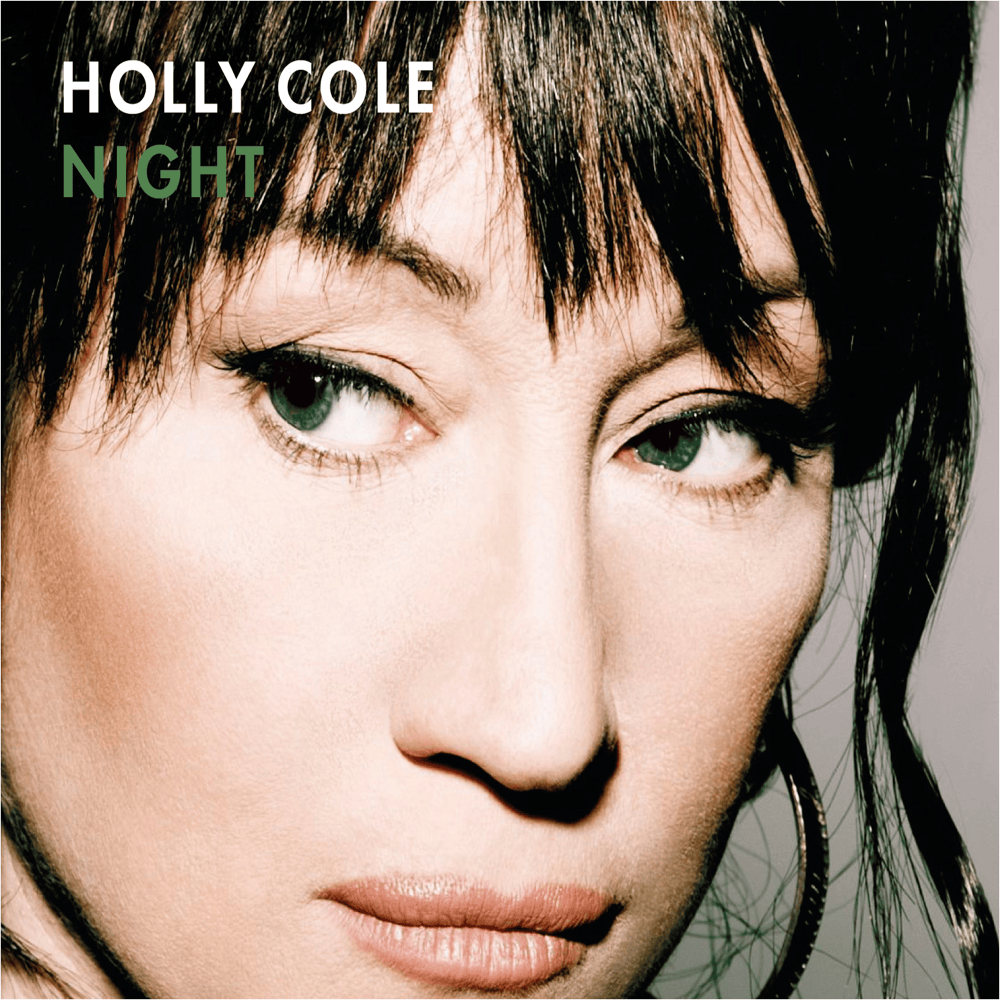
 View Artist