Song Meaning
The lyrics paint a picture of a man undergoing a profound, almost violent transformation, moving from a state of wild, unbridled energy to one of self-imposed confinement. The opening verse describes a "wild lively spirit, swaying unhinged," a "different beast raging within" that seems to be cashing in or selling out. This initial image is one of raw, untamed power, perhaps even a destructive force being exploited or commodified.
The central tension arises from the narrator's questioning of the man's current state and desires. The repeated question, "Do you really think he wants to live way out there?" coupled with the mention of a "daily devastating commute," suggests a life that is not chosen but endured. The phrase "nurtured up a demon" implies a deliberate cultivation of this darker, perhaps more aggressive, aspect of himself, with "nature did its share" hinting at an inevitable, almost biological, progression.
The contrast between the two verses is striking. Verse one presents a spirit "swaying unhinged," while verse two depicts a man "turning, turning himself in" after "moniker recycling." This shift from wildness to self-surrender is further emphasized by the juxtaposition of a "harsh dry ecosystem" and "shedding skin" against a "domesticated sweetheart living within." It's as if the wilder, more authentic self is being shed to reveal a more conventional, perhaps even suppressed, persona.
Ultimately, the effectiveness of these lyrics lies in their stark imagery and the unsettling ambiguity of the man's motivations. The narrator seems to be observing a man who has perhaps intentionally cultivated a destructive inner self, only to find himself trapped by it, questioning whether this self-imposed "demon" is what he truly desired. The repeated insistence that "nature did its share" lends a sense of grim inevitability to this internal conflict, making the man's situation feel both self-inflicted and inescapable.
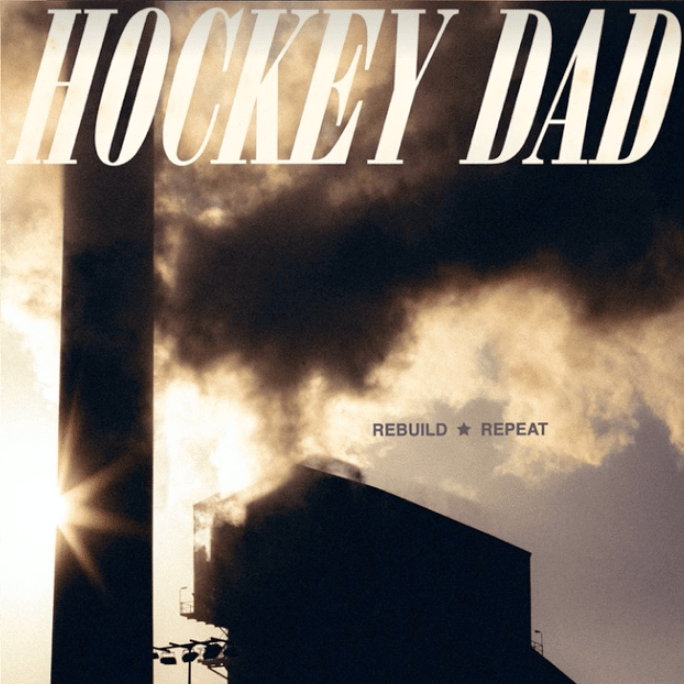
 View Artist