Song Meaning
The narrator offers a series of increasingly desperate, almost subservient roles they're willing to play, all stemming from a desire to be essential to someone. Initially, it's a passive, domestic role: a "walking bedside table" to hold trivial items, a willingness to transform if only they had the capacity. This quickly shifts to a more active, albeit still dependent, desire to be a constant presence, a "Saturday morning every weekend," even if only for the mundane "9 to 5." The imagery of dropping girls to their mothers and the mention of "Magpie season" hint at a domestic routine, but the narrator's immediate pivot to "I always loved the lies" reveals a darker undercurrent to this proposed domesticity.
The central tension lies in the narrator's profound insecurity and their willingness to embrace falsehoods to maintain a connection. They confess, "I can tell lies forever," directly mirroring the earlier "I can hold on forever." This repetition suggests that their ability to endure or their commitment is intrinsically linked to deception, or perhaps that the very idea of holding on requires a performance of sincerity they don't possess. The desire to be an "emergency contact info" is the most stark illustration of this: the ultimate goal is simply to know the other person is alive, even if the narrator isn't physically present or even capable of being there.
The most striking craft element is the escalating series of "Let me be your..." propositions. They move from the mundane (bedside table) to the routine (Saturday morning) to the functional and almost detached (emergency contact). This progression highlights a desperate attempt to find *any* place in the other person's life, even one defined by absence or potential failure. The repeated phrase "If I don't get there in time" in the final verse and outro underscores this precariousness. It's not just about being present, but about *making it* there, a race against an implied deadline or personal failing.
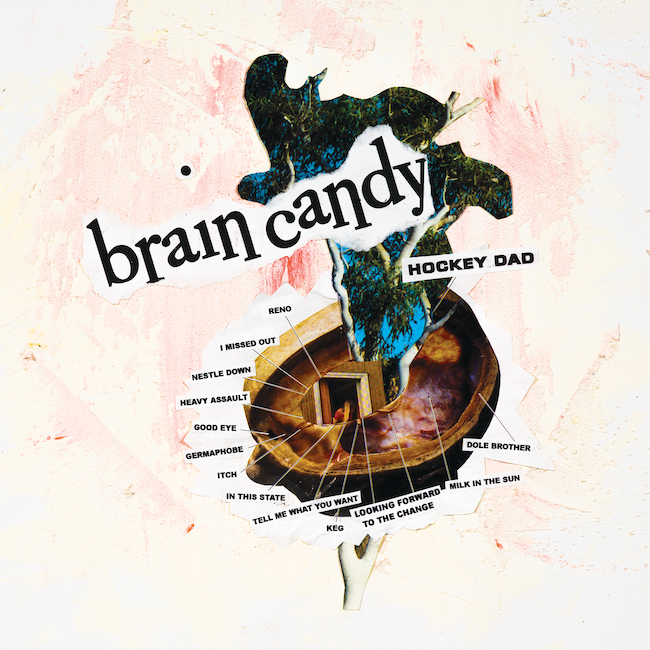
These lyrics resonate because they capture the painful vulnerability of wanting to be needed, even at the cost of self-respect or honesty. The narrator's willingness to be a prop, a fixture, or even a lie-teller for the sake of connection is a raw depiction of codependency. The ultimate plea to be an emergency contact, to simply know the other person is alive and perhaps heading to "Reno" (a place often associated with quick escapes or new beginnings), is a heartbreaking admission of feeling on the periphery, always racing to catch up.
 View Artist