Song Meaning
This track paints a picture of women who seem to lack domestic drive but possess a sharp, transactional cunning. The narrator highlights a specific kind of laziness – one that shuns simple chores like sewing a button but doesn't impede their ability to "count his money Saturday night." This immediate contrast sets up a cynical, observational tone about perceived idleness masking a more strategic self-interest.
The core tension lies in the narrator's judgment of these "lazy women." They're depicted as being too inert for basic life tasks, even existing in a liminal state of being "too lazy to live and she's too darn lazy to die." Yet, this inertia is juxtaposed with actions that suggest a different kind of energy, like spending money on a phone call to track a lover's movements, implying their laziness is selective and perhaps even a performance.
The most striking lyrical device is the repetition of "lazy woman" and the bluesy, almost resigned refrain. This emphasis hammers home the narrator's central complaint, but it also creates a strange solidarity. The narrator acknowledges these women will likely "tan me when you hear this song," suggesting a shared understanding or perhaps a defiance that the narrator admires, even while criticizing it. The phrase "carry it on" implies this is a truth that must be spoken, regardless of the consequences.
Ultimately, the effectiveness of these lyrics stems from their blunt, almost conversational delivery of a complex social observation. The narrator isn't just complaining; they're dissecting a specific type of female agency that operates outside conventional expectations. The bluesy structure and the direct address create a sense of lived experience, making the critique feel both personal and universally understood within a certain context.
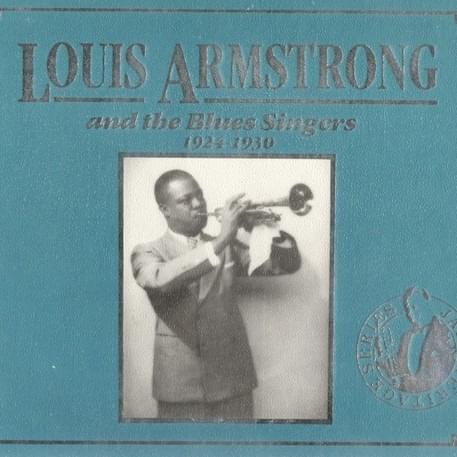
 View Artist