Song Meaning
The lyrics paint a picture of profound existential dread and a gnawing internal emptiness. There's a palpable sense of being lost, afflicted by an inability to foresee an end to suffering or even understand the present moment. The narrator grapples with a disconnect between outward appearances and inner reality, noting how "the souls laugh / And the spirit lies." This sets a tone of deep unease, where even joy feels hollow or deceptive.
The central tension arises from a paralyzing fixation on the past. The lines "So much we have looked back / That the past has caught up with us" suggest a self-inflicted trap, where dwelling on what was prevents any forward movement. This backward gaze seems to fuel a "voracious amendment" that "will wallow in our traumas," highlighting a destructive cycle of rumination. The innocence that once existed is now seen as immeasurable, perhaps because it's irrevocably lost or too painful to confront.
A striking image emerges in the call to confront a symbolic aggressor: "Bury this tooth in its jaw / And you will know your destiny / Spit in its most humiliated eye / And you will know its name." This violent imagery suggests a desperate attempt to gain understanding or control through brutal engagement, even if the target is unclear. The subsequent lines about arriving "without faith / Staggering in confusion" and leaving "hungry / Without even being able to digest" powerfully convey a sense of profound dissatisfaction and an inability to process experience, leaving only "lamentations of starvation."
Ultimately, the repeated phrase "Hunger in the soul / Inner hunger" acts as the core emotional statement. The lyrics effectively convey a deep, unfulfillable craving, a spiritual and emotional starvation that leaves the narrator unable to comprehend their own existence or find any sustenance in the world around them. This internal void is the inescapable reality the lyrics articulate.
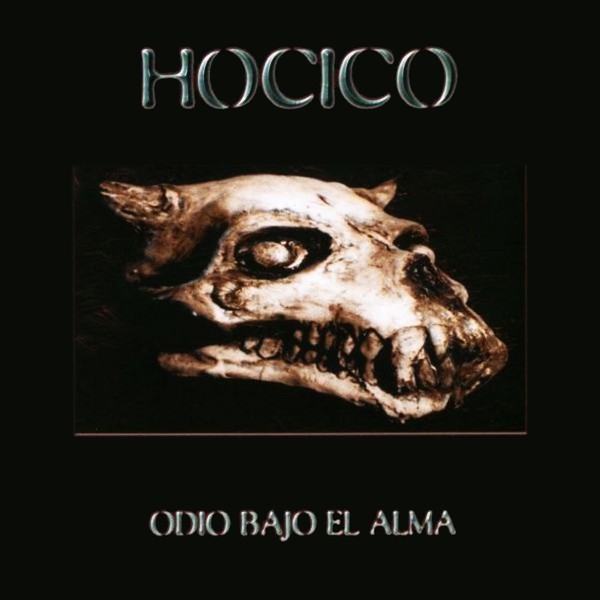
 View Artist