Song Meaning
This song paints a picture of longing and distance, with the narrator observing a past love from afar. The opening lines immediately establish a sense of quiet observation: "Đôi khi trộm nhìn anh" (Sometimes I secretly look at you). The narrator wonders if the person they once knew still carries the same ruggedness and connection to nature, asking if "đôi tay rắn chứ phong trần năm xưa" (those rugged hands from yesteryear) still exist. This sets a tone of nostalgic questioning about how time and separation have changed the other person.
The core of the song lies in the narrator's own feelings of neglect and fading presence. The repeated image of "tấm vải lụa nhàu" (a crumpled silk cloth) powerfully conveys a sense of being discarded or losing one's shape and value in the absence of the other. This is amplified by the "giấc mộng xanh xao" (pale dreams), suggesting a life lived in a muted, anxious state. The narrator questions their own reception, asking "Anh có bề nào ai đón đưa em" (Do you have anyone to welcome and escort me?), highlighting a profound sense of loneliness and vulnerability.
The chorus introduces a stark contrast between the vastness of life's challenges and the simple desire for connection. "Cuộc đời là vách núi, là tường mây" (Life is a cliff face, a wall of clouds) and "là vách chắn, là rào thưa" (is a barrier, a sparse fence) depict life as imposing and difficult to navigate. Yet, the narrator's focus remains on the absent lover, "Mà anh chim hút cánh bay" (But you fly away like a bird), and the plea "ít về thăm em" (rarely come visit me). This juxtaposition underscores the personal pain felt against the backdrop of an indifferent world.
The lyrics effectively use imagery of nature and domesticity to express emotional states. The contrast between the "nắng gió" (sun and wind) of home and the lover's departure, and the narrator's own wilted state, creates a poignant sense of loss. The final lines, "Cuộc đời là bể cả là dòng sông / Như con nước lớn nước ròng" (Life is a great sea, a river / Like the ebb and flow of the tide), suggest a cyclical, perhaps inevitable, rhythm to life and separation, leaving the listener with a lingering feeling of melancholy acceptance.
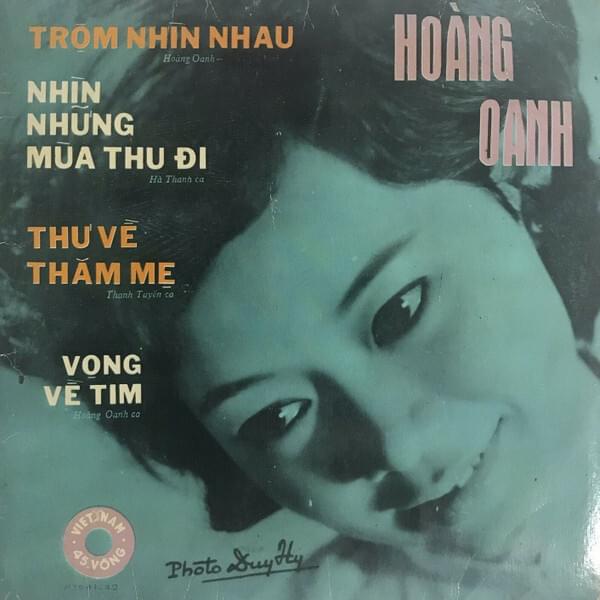
 View Artist